
Why Movies Are Shot at 24 Frames Per Second (and Not More)
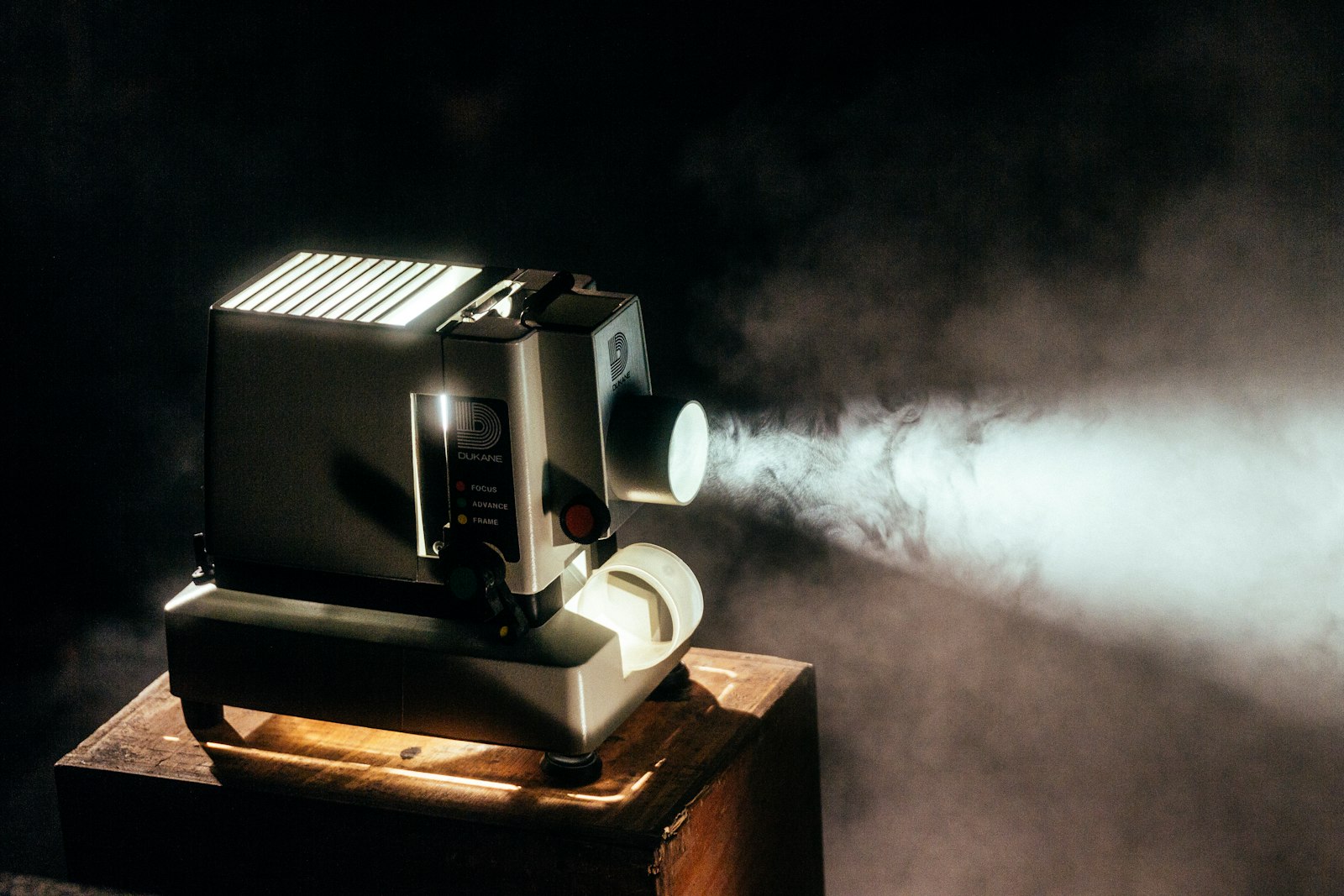
Here's a fact that surprised me: the reason movies look like movies — that slightly dreamy, twenty-four-frames-a-second flicker we all read as "cinema" — has almost nothing to do with your eyes. It's because of sound.
The silent era had no rule
In the beginning, there was no standard. Silent films were hand-cranked, and they ran at whatever speed the operator felt like — usually somewhere around 16 to 18 frames per second, but it wandered. Faster for a chase, slower to stretch a dramatic beat, faster again in the projection booth to squeeze in an extra screening. Frame rate was a creative dial, not a law.
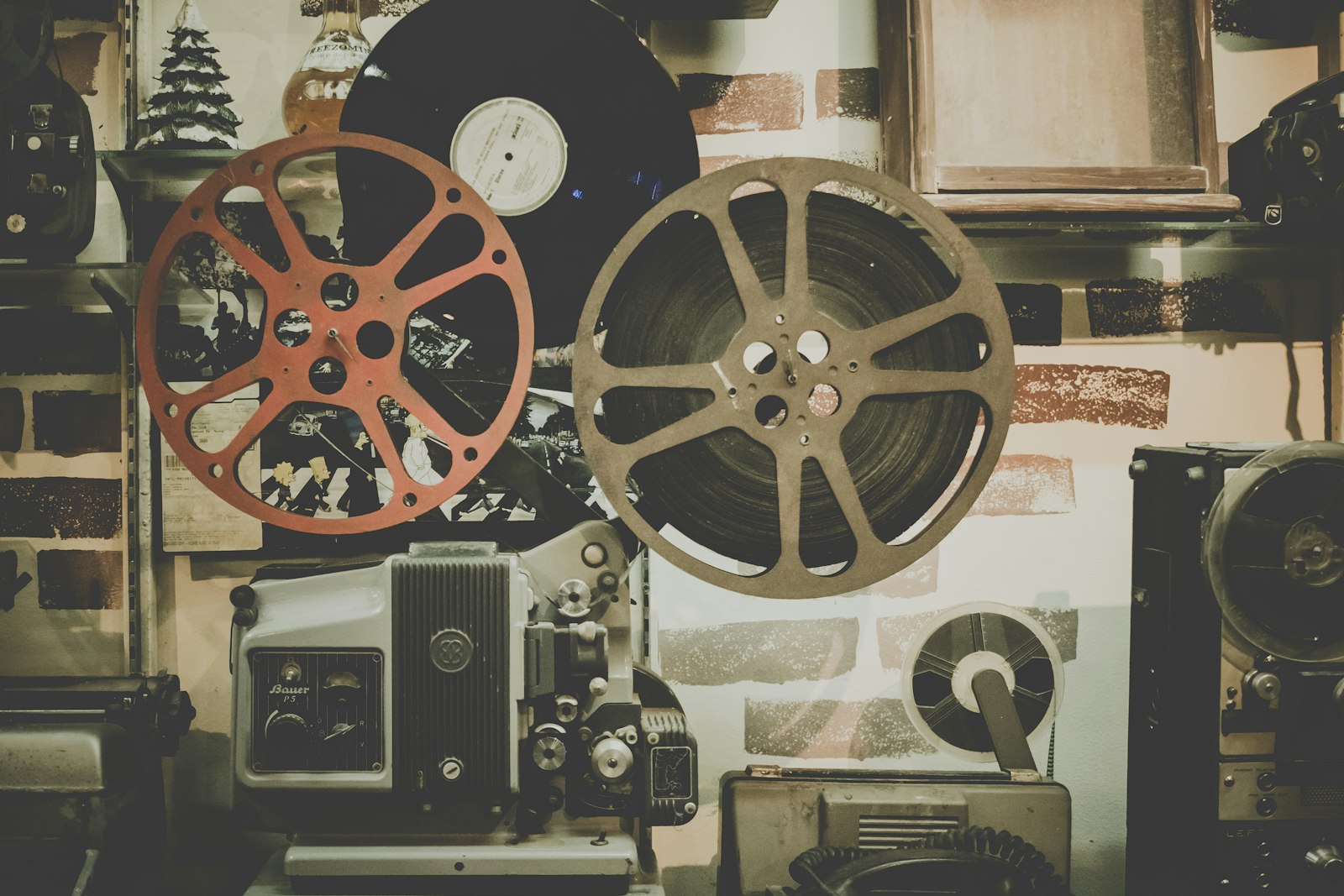
Then sound changed everything
In 1927, The Jazz Singer brought recorded dialogue to the screen — and with it, a hard new constraint. The sound was printed as an optical track running along the edge of the film: a wiggly line that a lamp and a sensor read as the film rolled past.
For that to produce intelligible audio, the film had to move fast enough — and it turned out that 24 frames per second was about the slowest speed that still gave acceptable sound. Sixteen, the old silent average, simply couldn't carry a decent soundtrack.
So 24 fps wasn't chosen for how it looks. It was chosen as the minimum that made the talkies sound good.
There was money in it, too. Film stock was expensive, and every extra frame per second meant more physical film burned per minute. A higher rate would have worked for sound, but it would have blown up budgets. 24 was the sweet spot: fast enough for sound, slow enough to stay affordable. Between 1927 and 1930, as studios re-equipped for sound, it locked in as the standard for 35 mm film — and it has barely moved in a century.
The accident that became an aesthetic
Here's the part I love. A number picked for optical-soundtrack economics in 1927 became, decades later, the very definition of the "cinematic look."
24 fps leaves just enough motion blur between frames that movement feels smooth but a touch dreamlike. Over a hundred years of cinema, your brain has learned that this specific stutter means "film." It isn't realism — it's a texture we've been trained to read as story, as art, as not-quite-real-life.
Why "too smooth" feels wrong
We got proof when filmmakers tried to "improve" it. The Hobbit (2012) was shot and shown at 48 fps — double the standard, sharper, smoother, more "real." Audiences recoiled. The complaint even has a name: the "soap opera effect." At 48 fps, the fantasy epic suddenly looked like a behind-the-scenes video or daytime TV — too crisp, too present, the magic drained out of it.
It's the same reason your TV's "motion smoothing" setting makes blockbusters look cheap: more real isn't more cinematic. (Video games go the other way entirely — they chase 60 fps and beyond, because there you need responsiveness, not a dreamy look. Different job, different number.)
The takeaway
Next time a film washes over you, remember you're watching a 1927 compromise about printing sound onto celluloid — a budget-and-physics decision that hardened into the texture of an entire art form. Twenty-four little frames a second, each one a tiny still photograph, flicking past faster than you can catch.
We didn't keep 24 fps because it's the best your eye can do. We kept it because it's the speed that feels like the movies.
Images: 35 mm film frames illustration (CC0); 1930s projector by YellowFratello (CC BY-SA 4.0).