
Pando: The Forest That Is a Single Tree
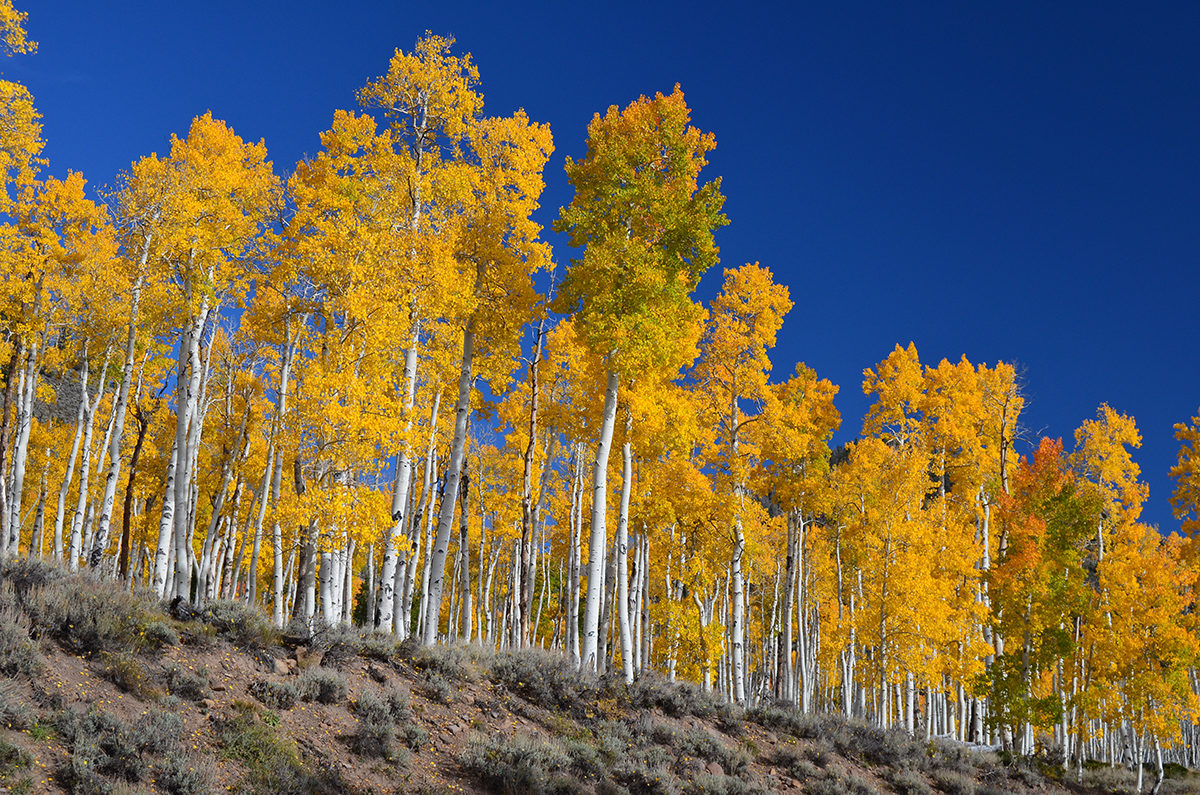
Walk into a certain aspen grove in the mountains of central Utah and your eyes will tell you a lie. You'll see a forest — tens of thousands of slim white trunks, leaves shivering gold in the autumn wind. But you are not standing in a forest. You are standing inside a single living thing. Every one of those roughly 47,000 trunks is genetically identical, stitched together beneath your feet by one vast root system. It has a name: Pando, from the Latin for "I spread." And it may be the heaviest creature that has ever lived on Earth.
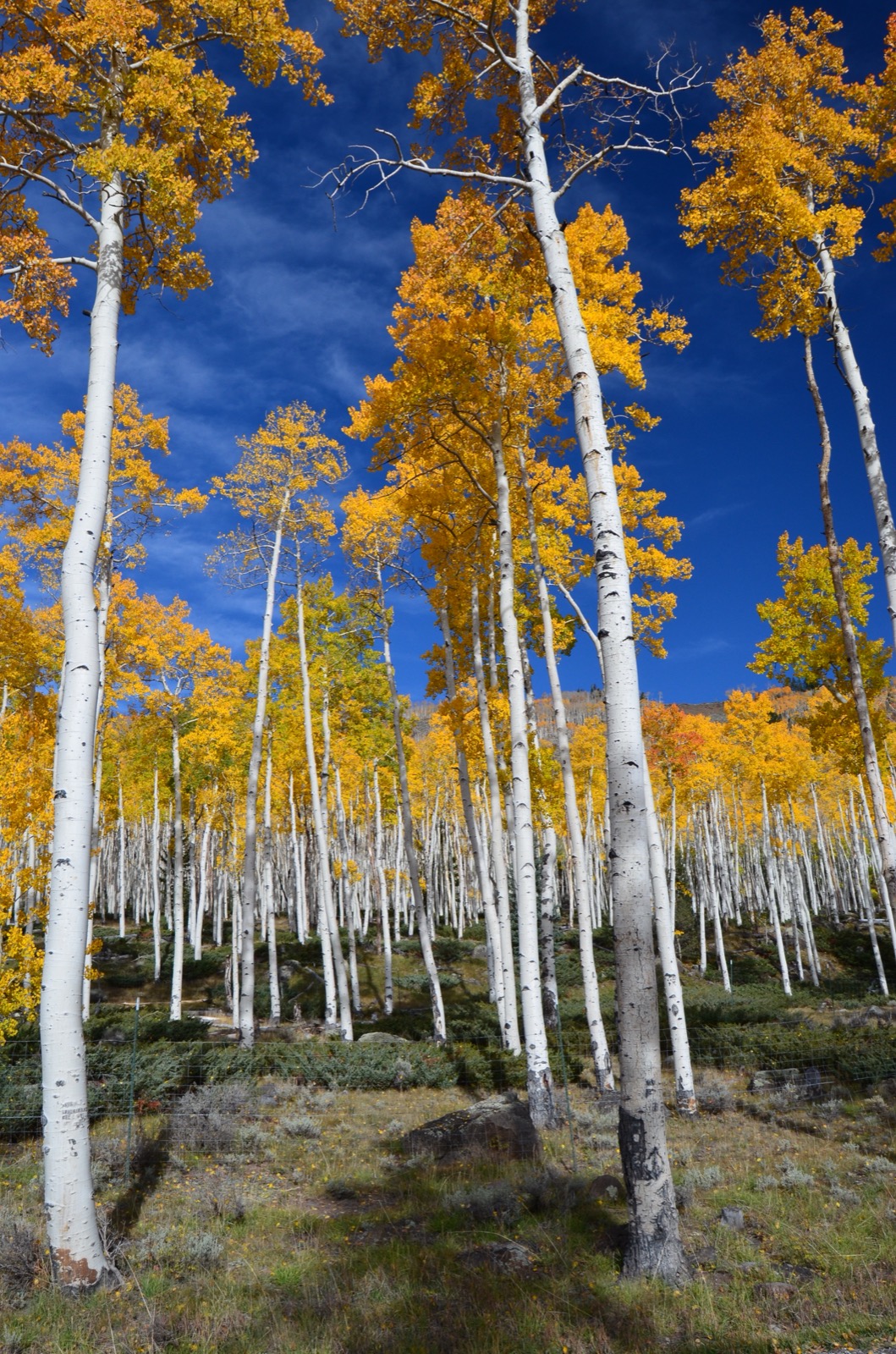
One tree pretending to be a forest
Quaking aspens have a trick most trees don't: they clone themselves. Instead of relying only on seeds, an aspen sends out horizontal roots that periodically push a new shoot — a "sucker" — up into the light. Each shoot looks like its own tree, but it's just another stem of the same individual, drinking from the same shared plumbing. Pando did this for so long, and so successfully, that it became a grove the size of a small town: about 43 hectares (106 acres), all from a single original seedling.
Because every trunk shares one genome, Pando is counted as one organism. And that one organism is staggeringly large. Its root system and stems are estimated at around 6,000 tonnes — roughly 13 million pounds of living wood. That mass is why scientists generally call it the heaviest known living thing on the planet, heavier than any blue whale, heavier than any single giant sequoia. A large blue whale weighs around 150 tonnes. Pando is forty of them, rooted in the ground and quietly rustling.
How old is "old"?
Here's where Pando gets genuinely humbling. Individual trunks live maybe 130 years, then die and fall — but the organism itself, the root network, just keeps going. Estimates of its age range wildly, from a conservative 14,000 years to a jaw-dropping 80,000. Recent genetic work, reading the slow drift of mutations accumulated across its body, lands somewhere in the tens of thousands of years.
Even the low end is hard to hold in your head. Fourteen thousand years ago, the last Ice Age was only just loosening its grip on North America. Mammoths still walked the continent. Agriculture hadn't been invented. Through all of human history since — every empire, every war, every word ever written — this same individual has been standing on the same hillside, sending up trunk after trunk after trunk.
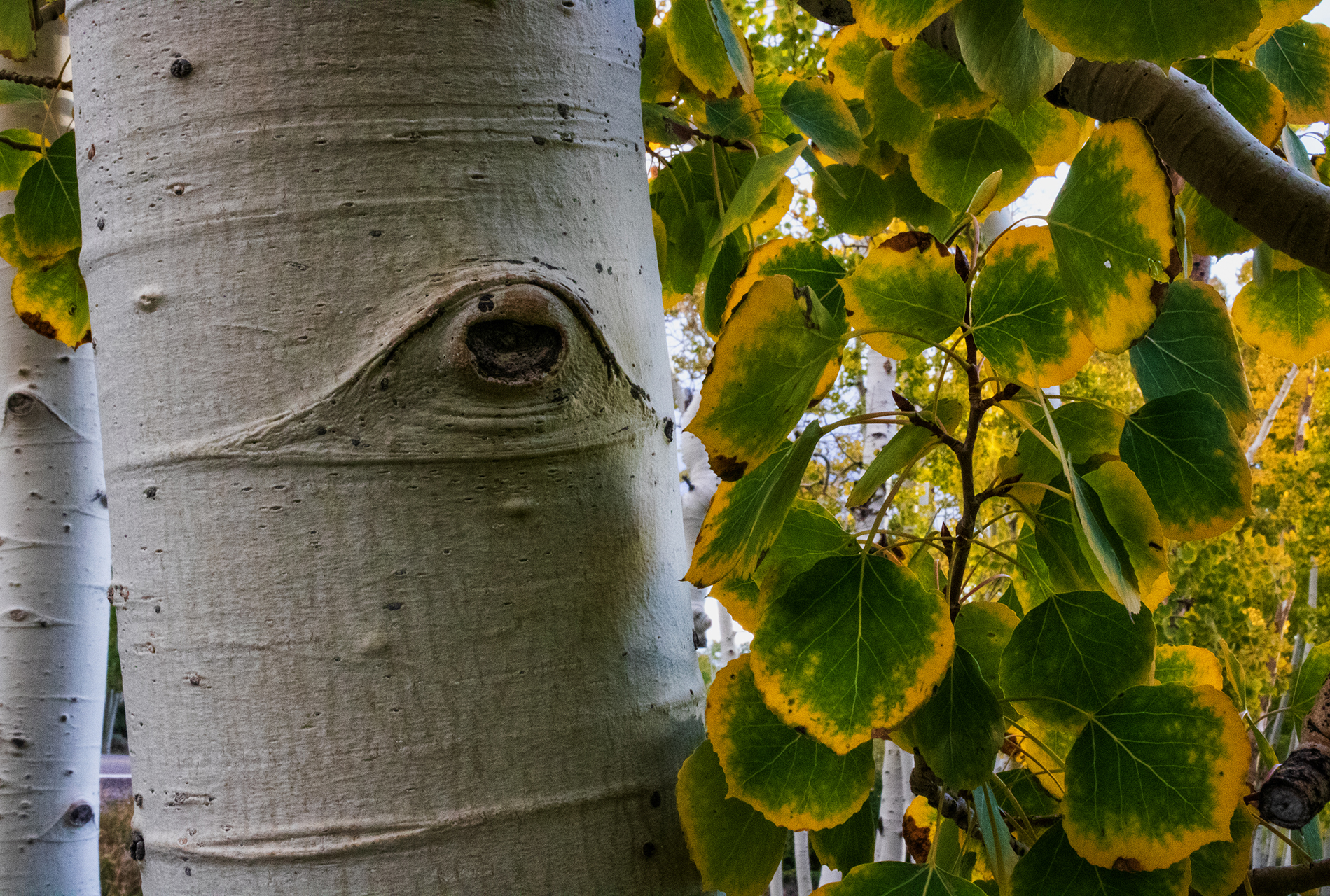
The world's oldest giant is starving
For something that survived ice ages, Pando is in surprising trouble — and the cause is almost gentle. It's being nibbled to death.
The problem is regeneration. For Pando to stay alive, old trunks that fall must be replaced by young suckers growing up from the roots. But across most of the clone, those young shoots are vanishing. Mule deer and grazing cattle eat the tender new growth before it can ever harden into a trunk. The result is an eerie age gap: a grove full of old, tall stems with almost nothing young coming up beneath them. When today's trunks finish their century-and-change and topple, in much of Pando there is nothing waiting to take their place.
Why so many deer? Partly because the predators that once kept them in check — wolves and cougars — are largely gone from this corner of Utah. Remove the hunters, and the herbivores multiply, and the giant pays the price one mouthful at a time.
A fence as a lifeline
The encouraging part is what happens when you simply keep the deer out. Roughly a third of Pando has been fenced off, and inside that fence the difference is dramatic. Young aspens spring up dense as a cornfield, six and ten feet tall, exactly the regeneration the open sections are missing. Step outside the fence and the floor goes bare again. It's a stark, almost unfair before-and-after: the organism still knows how to renew itself. It just needs a few decades without something eating its children.
The kicker
There's one more detail that reframes everything. Pando is a single male aspen — which means every one of its tens of thousands of trunks is, in a sense, the same individual, the same "he," scattered across a hillside for hundreds of human lifetimes. When the wind moves through and all those leaves quake at once with that papery, ocean-like shimmer the aspens are named for, you're not hearing a forest applaud.
You're hearing one very old, very large, very tired living thing — breathing.