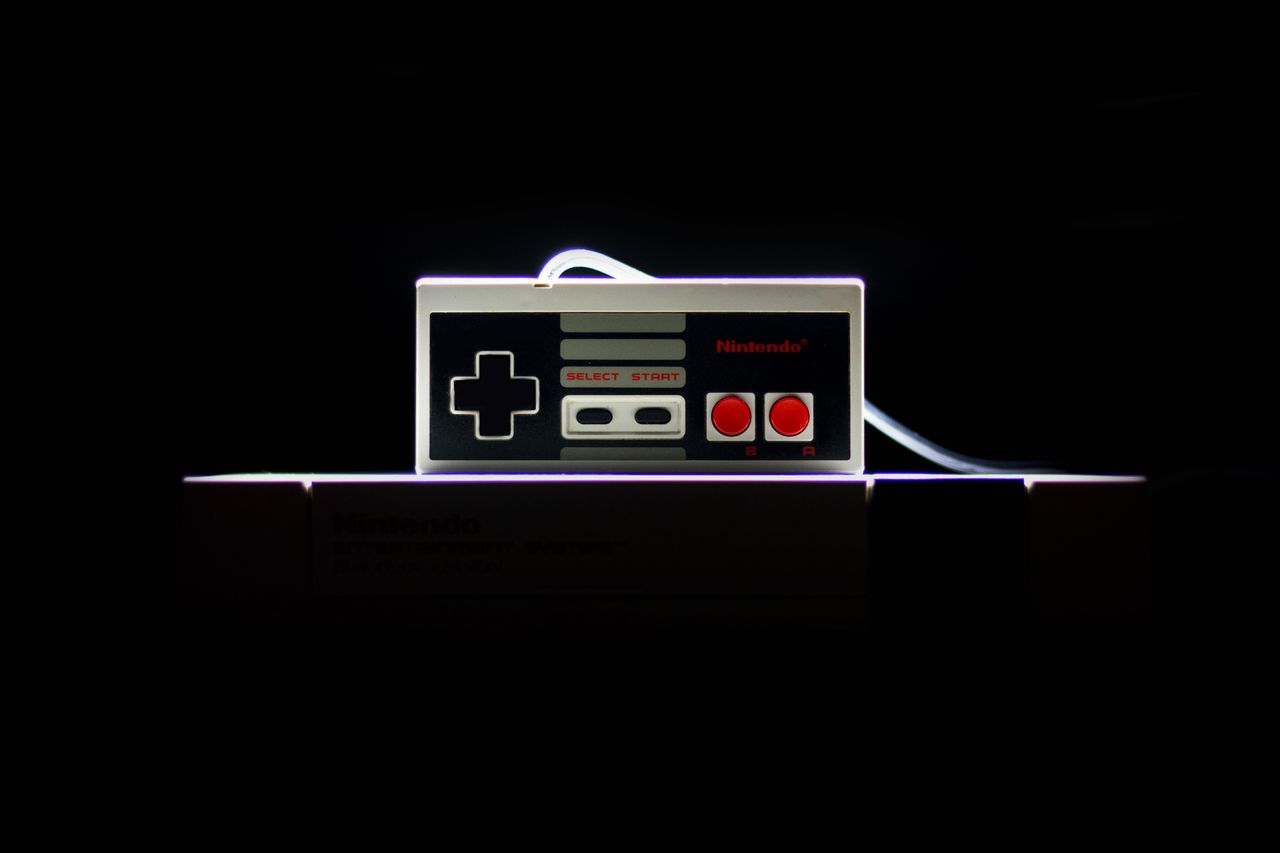
The $207,000 Cartridge: Nintendo's Gold You Could Never Buy
It looks like an ordinary NES cartridge that someone spray-painted gold in a fit of optimism. It plays three games you already own. And in August 2024, a single graded copy sold for $207,400 — more than a new Porsche, for a piece of plastic that was never sold in a single store. To understand how a 1990 promotional gimmick became one of the most coveted objects in gaming, you have to go back to a tour bus, a stopwatch frozen at six minutes and twenty-one seconds, and a magazine contest with twenty-six winners.
The tour that needed a cartridge
In 1990, Nintendo loaded a traveling competition into trucks and rolled through 29 American cities looking for the country's best players. It was, in hindsight, one of the first true esports spectacles — neon stages, screaming crowds of kids, and a single brutal challenge on the screen. Each contestant got exactly 6 minutes and 21 seconds to play three games back to back: grab 50 coins in Super Mario Bros. as fast as possible, finish a stretch of Rad Racer, then survive Tetris until the clock ran out. The three scores were fused into one grand total with a secret multiplier, and the timer wasn't a fluke of programming — it was hardwired in. The cartridges hid tiny DIP switches that staff could flip to set the countdown, the analog soul of a digital contest.
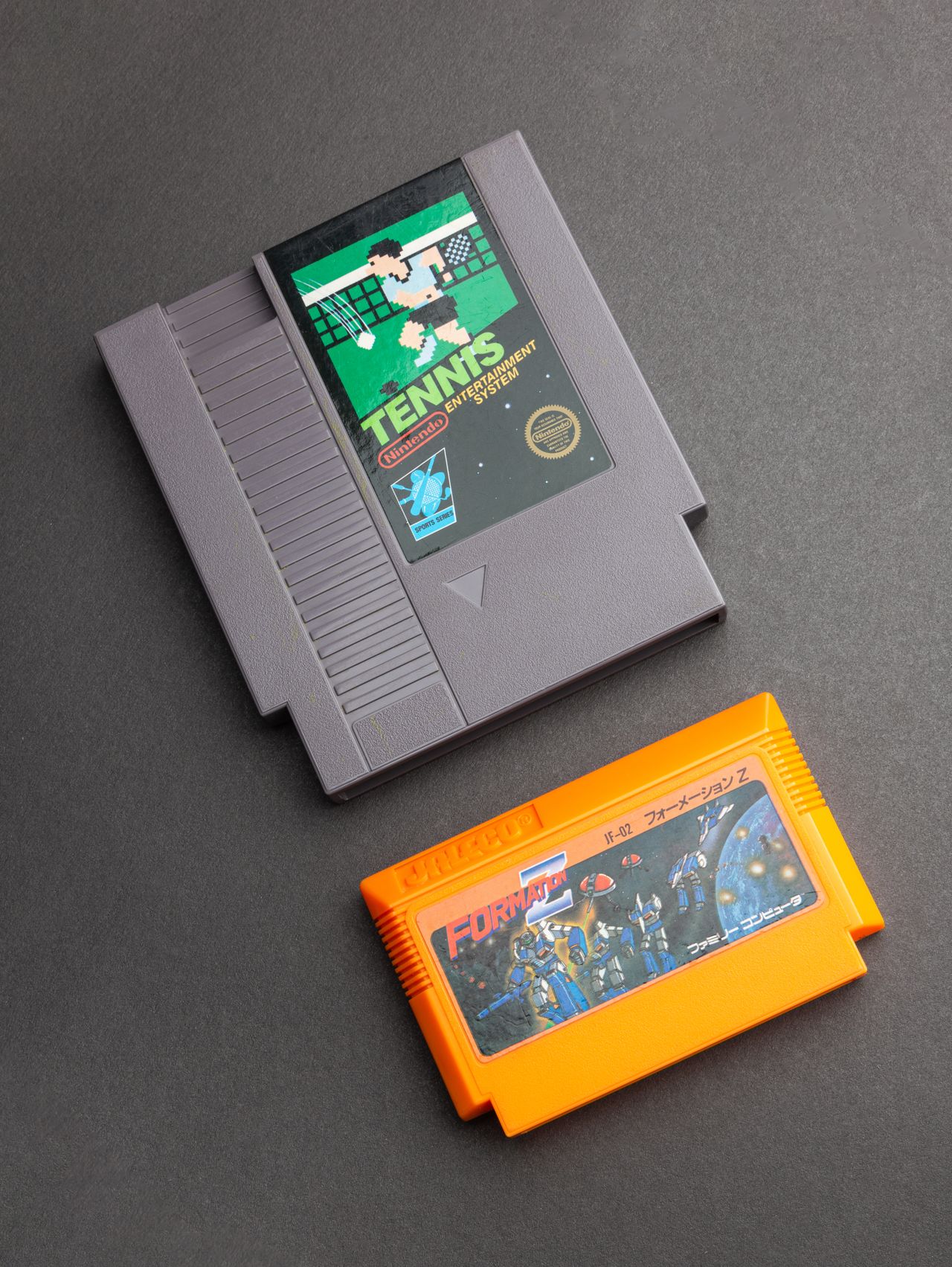
To run this gauntlet identically in every city, Nintendo needed one cartridge that held all three trimmed-down games. So they built a custom board that exists nowhere else: the Nintendo World Championships cartridge. Ninety grey copies were made for the tour and later given to finalists. That alone would have made it rare.
Twenty-six gold
Then came the part that turned rare into legendary. Nintendo Power, the company's house magazine, ran a sweepstakes built around the same competition. The prize wasn't cash — it was a version of the championship cartridge cast in a gleaming gold shell, the same showy gold Nintendo had used for the original Legend of Zelda. Only 26 were produced, mailed out to twenty-six readers who probably had no idea they were holding a future fortune. The program inside was identical to the grey carts; only the plastic was different. But that gold shell was the whole point. It said you won something no one else can buy.
Sixteen survivors
Here is where the value comes from, and it's pure arithmetic of loss. Twenty-six gold cartridges left Nintendo's hands in 1990. Today, collectors have confirmed only about 16 of them still exist — the rest lost to moves, yard sales, dumpsters, and the simple fact that a kid in 1990 had no reason to treat a free game like a treasure. Scarcity is one thing; vanishing scarcity is another. Every cartridge that quietly disappears makes the survivors worth more.
That math caught fire in the collector market of the early 2020s. The grey carts, with ninety made, already traded in the tens of thousands of dollars. The gold version was a different animal entirely. When a copy graded CGC 4.0 — a middling condition score, not even pristine — went under the hammer at Goldin in August 2024, it realized $207,400. Read that grade again: 4.0 out of 10. A worn example of this thing still pulled in two hundred grand, because what buyers are paying for isn't condition. It's membership in a club of sixteen.
The throne it doesn't quite sit on
For all its fame, the gold cartridge isn't actually the most expensive video game ever sold. That crown belongs to a sealed, first-production copy of The Legend of Zelda — still in its shrink-wrap, graded CGC 8.0 — which hit $288,000 at Heritage Auctions in February 2024. The seller, a 22-year-old Californian, had nearly let it go on eBay for $17,000 before eagle-eyed strangers told him what he actually had.
The two records make a neat contrast. The Zelda is worth a fortune because it's frozen — never opened, never played, a sealed moment from 1987 preserved by accident. The World Championships gold is worth a fortune for the opposite reason: it was played, it was meant to be played, and almost none of them made it out of the decade intact. One is precious because it was never touched. The other is precious because so few survived being touched at all.
The kicker
There's a final twist that should make every collector wince and grin at once. In 2024, Nintendo reissued the whole concept as Nintendo World Championships: NES Edition — a $29.99 digital Switch game (the physical "Deluxe Set" ran $59.99) that bundles the original speedrun challenges, the very contests those gold carts were built to host, for anyone with a console. The exact gameplay locked inside a $207,000 relic is now a casual download. The plastic stays priceless. The game it guarded turned out to be the one thing money couldn't keep rare.