
The First Video Game Was a Physics Experiment on an Oscilloscope
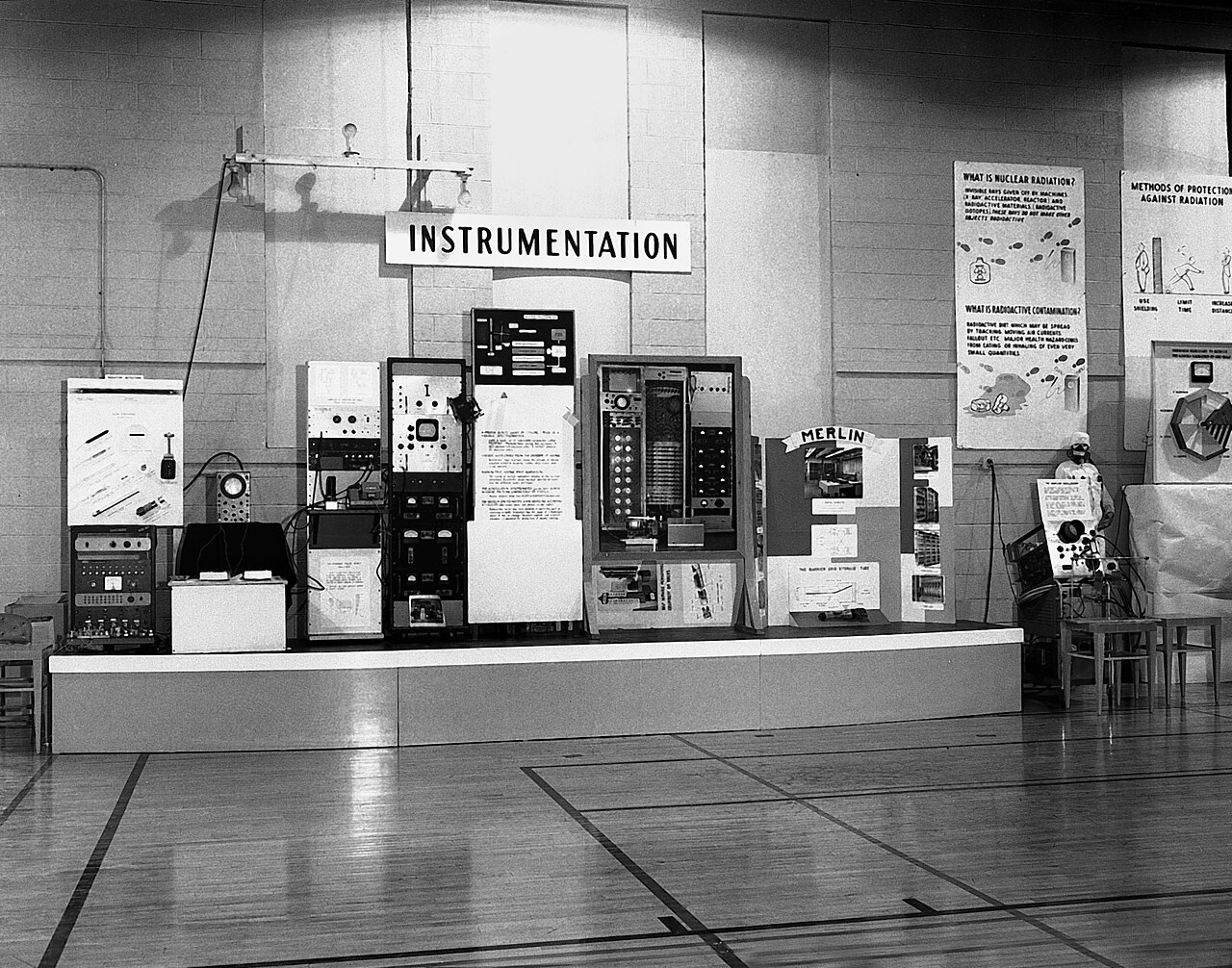
Picture a science open house in 1958. A line of visitors snakes through a government nuclear lab, past Geiger counters and reactor diagrams — and the longest queue in the building is for a tiny green oval glowing on a five-inch oscilloscope. People are waiting their turn to bat a glowing dot back and forth across a screen, and they are losing their minds over it. This wasn't a toy company's stunt. It was a physicist who got tired of his exhibits being boring, and in doing so quietly built what many consider the first video game — nearly two decades before Pong made anyone think games were new.
A bored physicist and a borrowed oscilloscope
The man behind it was William Higinbotham, head of the Instrumentation Division at Brookhaven National Laboratory on Long Island. He was not a casual figure: during World War II he'd worked on the electronics for the first atomic bomb, and afterward became a passionate campaigner against nuclear weapons. By 1958 his day job involved building radiation detectors. His side problem was that the lab's annual visitors' day exhibits — static panels, switches behind glass — bored the public stiff.
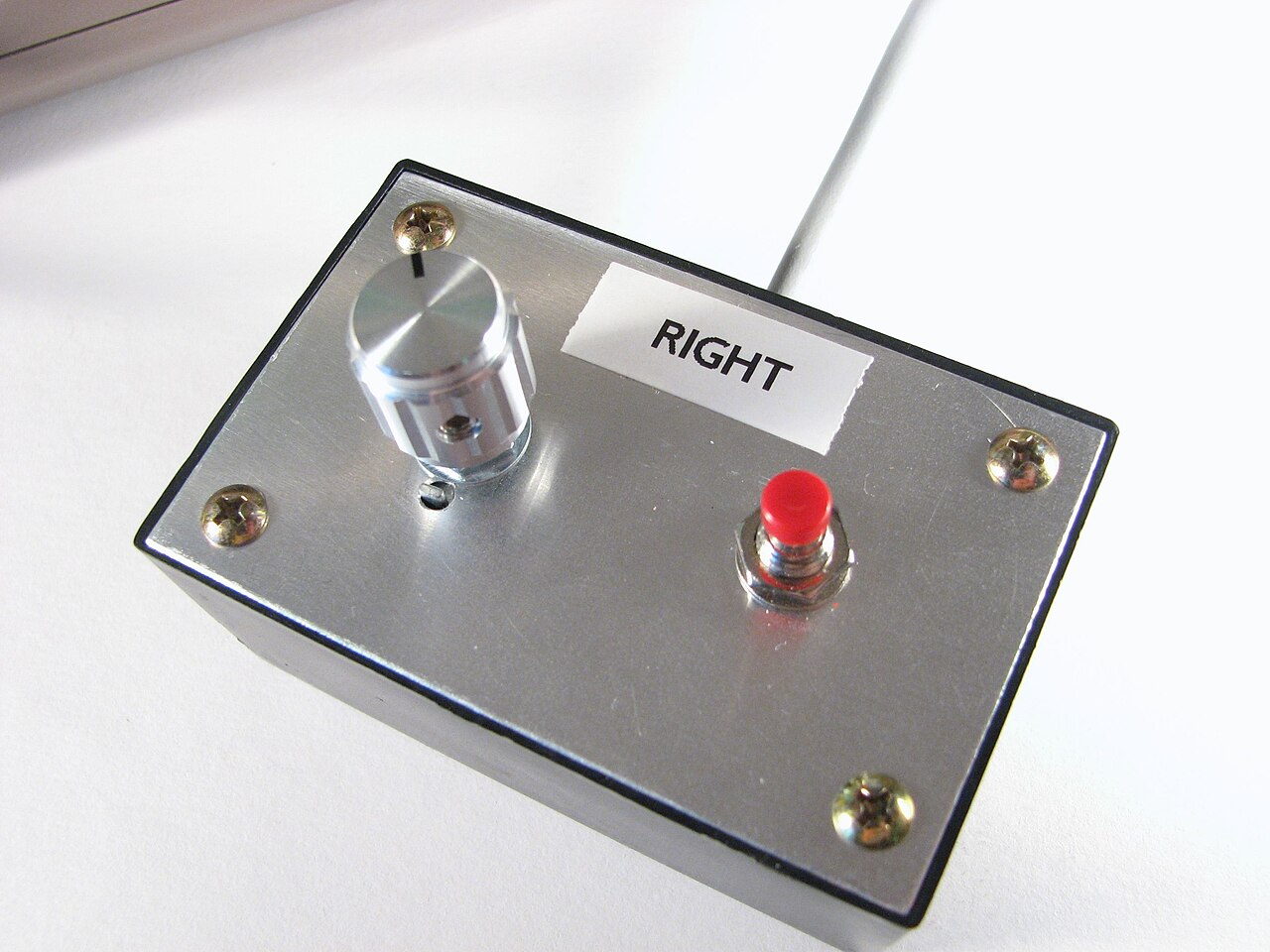
So he read the instruction manual for a Donner Model 30, a small analog computer the lab had on hand, and noticed it could compute the path of a bouncing ball, wind resistance and all, then draw it on an oscilloscope. The leap from "ball physics on a screen" to "two people hitting that ball" took him, by his own account, only a few hours to design. Building the actual machine — wiring it together with a technician named Robert Dvorak — took about three weeks. The result was a side-view tennis court: a horizontal line for the ground, a small vertical line for the net, and a dot that arced over it with convincing gravity. Two players each held a metal controller with a knob to set the angle and a button to swing.
Why this counts as "the first"
Computers had drawn dots and even played simple games before — there were tic-tac-toe and checkers programs in the early 1950s. What makes Tennis for Two special, under the strictest definition historians use, is its purpose. It wasn't a demo of computing power or a research project. Higinbotham built it purely to entertain. It was interactive, it ran in real time, it displayed on a screen, and its entire reason to exist was to be fun. That combination is rare for its era, and it's why "the first video game" is a title it keeps having to fight for.
The numbers behind the magic are humbling. The whole computer was roughly the size of a microwave oven, stitched together from vacuum tubes, relays, and a handful of transistors just for the graphics. The display was a cathode-ray tube barely five inches wide. And the experience was good enough that on that October day, hundreds of visitors queued up, and the next year Higinbotham swapped in a bigger screen and added a clever twist: a switch that let you play tennis under the gravity of the Moon or Jupiter.
The most expensive mistake in gaming history
Here is the part that makes people wince. Higinbotham never patented it. He figured the game was an obvious extension of the analog computer's existing bouncing-ball routine — nothing worth protecting. After the 1959 open house, the machine was simply taken apart so its valuable components could be reused elsewhere in the lab. The first video game was scrapped for parts. Higinbotham went back to instrumentation and arms control, and later said he'd rather be remembered for his anti-nuclear work than for a game. The video game industry he didn't know he'd seeded would, decades on, be worth more than film and music combined.
Locked in the lab
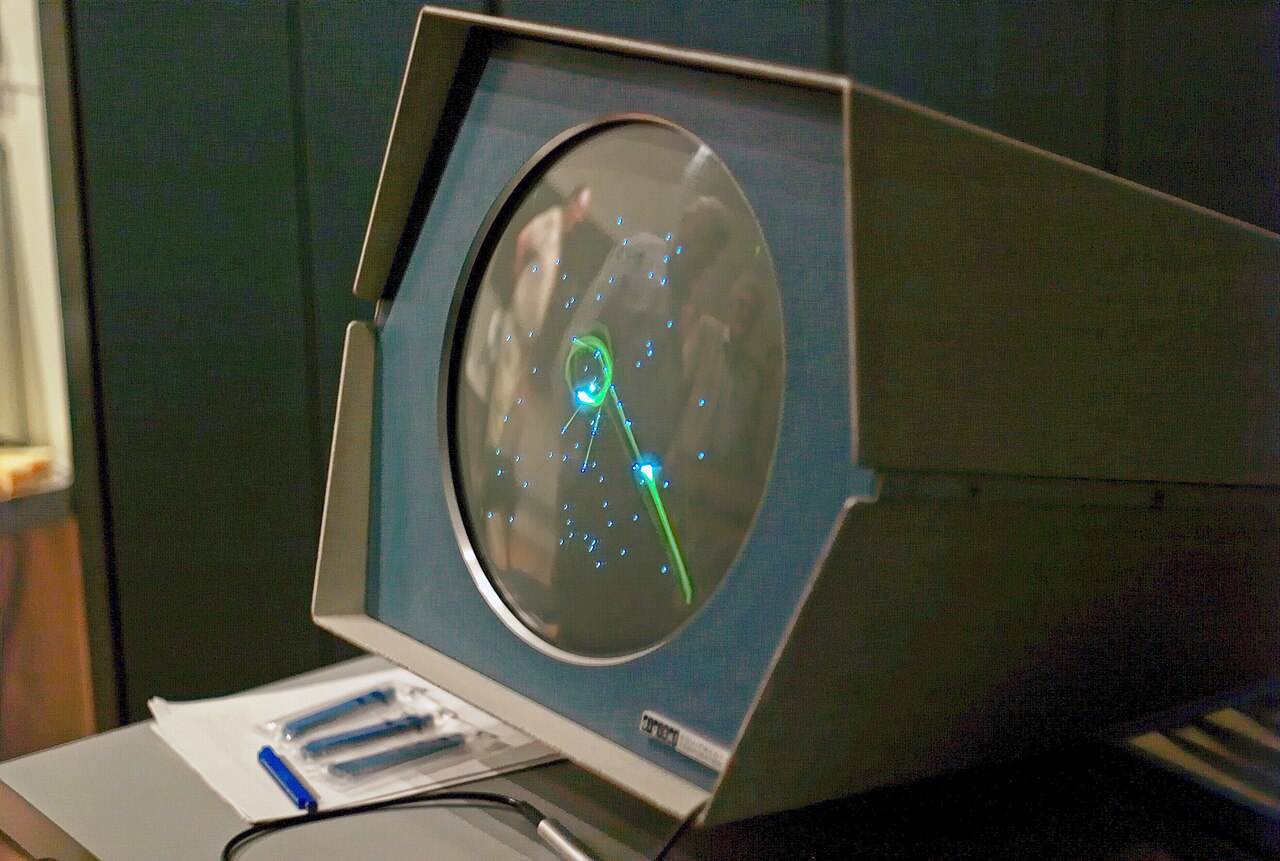
Tennis for Two wasn't a one-off accident; it was the start of a pattern. The next landmark, Spacewar!, arrived in 1962 at MIT, written by Steve Russell and a band of self-described hackers for the DEC PDP-1 — a refrigerator-sized minicomputer that cost about $120,000 (well over a million in today's money) and of which only fifty-three were ever made. Spacewar! is usually called the first game built for a general-purpose digital computer: two ships, the "needle" and the "wedge," dueling with torpedoes around a star whose gravity tugged at everything. Because the students gave the code away freely, it spread to every PDP-1 they could reach, becoming the first game played at multiple sites.
But notice the common thread: both games lived inside places almost no one could enter. A nuclear lab. A university computer room with a machine worth a fortune. For their first fifteen years, video games were essentially a secret kept by physicists and graduate students, running on equipment the public would never touch. That's the real reason Pong, released to the world in 1972, gets miscredited as the beginning. It wasn't first — it was just the first one you were allowed to play.
The kicker
There's a quiet irony in the whole story. The first video game was made by a man who helped build the atomic bomb, on a computer designed to model the physics of falling objects, and he thought so little of it that he let it be dismantled and never claimed a cent. The thing he considered an obvious afterthought outlived the careers it was built to decorate. Today, recreations of Tennis for Two draw crowds at game museums — people once again lining up to watch a single dot bounce, on a screen the size of a saucer, exactly as they did on a visitors' day nearly seventy years ago.