
Catatumbo Lightning: The Everlasting Storm That Sailors Steered By
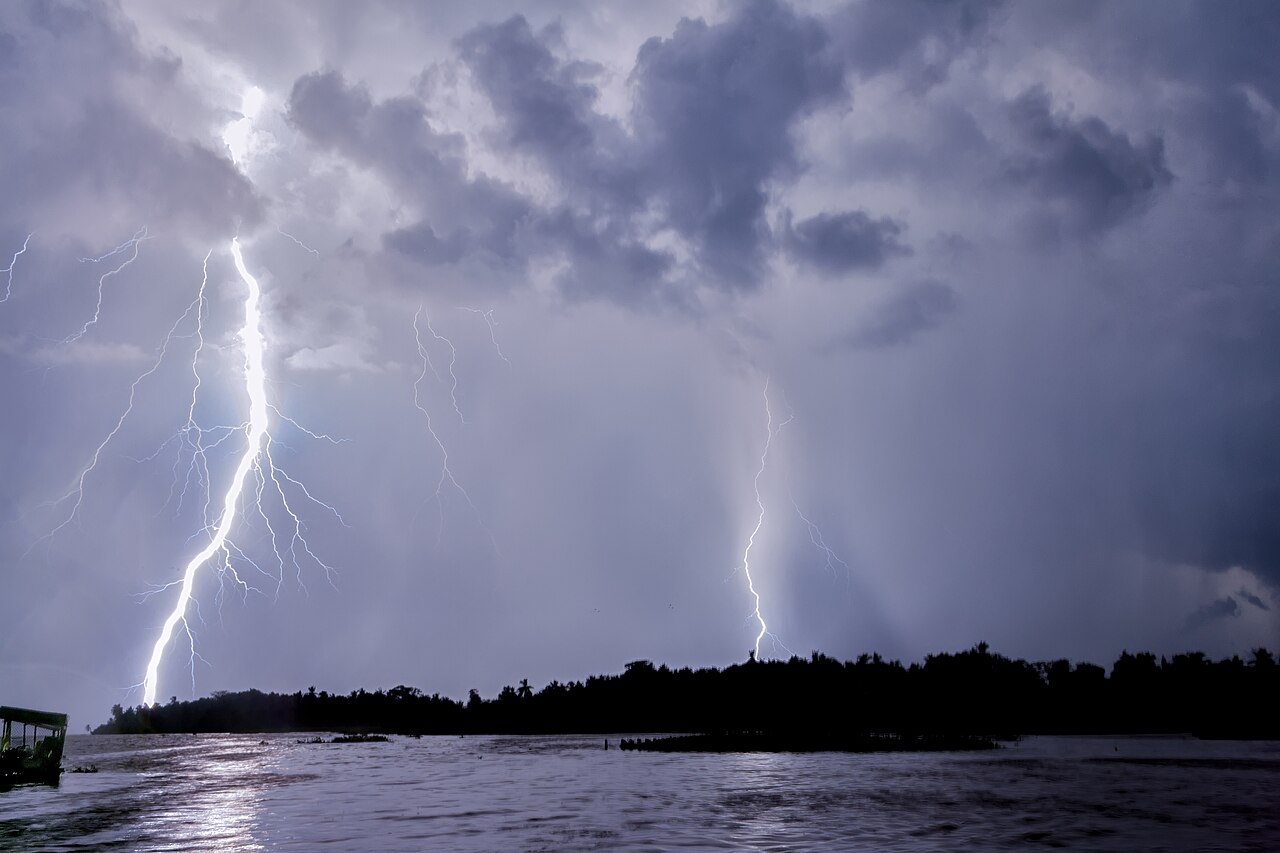
There is a spot on the map where the sky is almost never quiet. Over Lake Maracaibo in northwestern Venezuela, exactly where the Catatumbo River pours into the water, a thunderstorm switches itself on after dark and stays on — for up to nine hours a night, as many as 260 nights a year. Locals just call it el Relámpago del Catatumbo, the Catatumbo lightning. For centuries, sailors had a better name for it: a lighthouse.
The most electric place on Earth
The numbers are genuinely hard to believe. At its peak the storm fires somewhere between 16 and 40 lightning flashes every single minute — on the wildest nights people have counted the equivalent of more than a thousand strikes an hour. Stack that up over a year and Lake Maracaibo records the highest lightning density measured anywhere on the planet. NASA's satellite study put the figure at roughly 233 flashes per square kilometer per year; the rounded 250 flashes per square kilometer is the number Guinness World Records cited in 2014 when it made the title official: this is the lightning capital of the world.
NASA pinned that crown using a satellite. The Lightning Imaging Sensor, riding aboard the Tropical Rainfall Measuring Mission, spent years tallying flashes from orbit, and Lake Maracaibo came out on top — beating even the storm hotspots of central Africa. The researchers nicknamed it, beautifully, "the Maracaibo Beacon."
Why here, and why every night?
It comes down to a near-perfect trap built out of geography. Mountain ridges — the Andes, the Perijá range, the Mérida cordillera — wrap around three sides of the lake like a giant catcher's mitt, leaving only a narrow opening to the warm Caribbean. Every day the tropical sun bakes the lake and the surrounding wetlands, loading the air with moisture and heat.
Then, at night, a low ribbon of cool wind sweeps in off the Caribbean. It slams into that warm, moisture-soaked air and shoves it violently up the mountain walls. The air rises, cools, and explodes into towering thunderclouds — night after night, in the same place, like clockwork. It's not a freak event. It's a machine.
The lighthouse that defeated a pirate
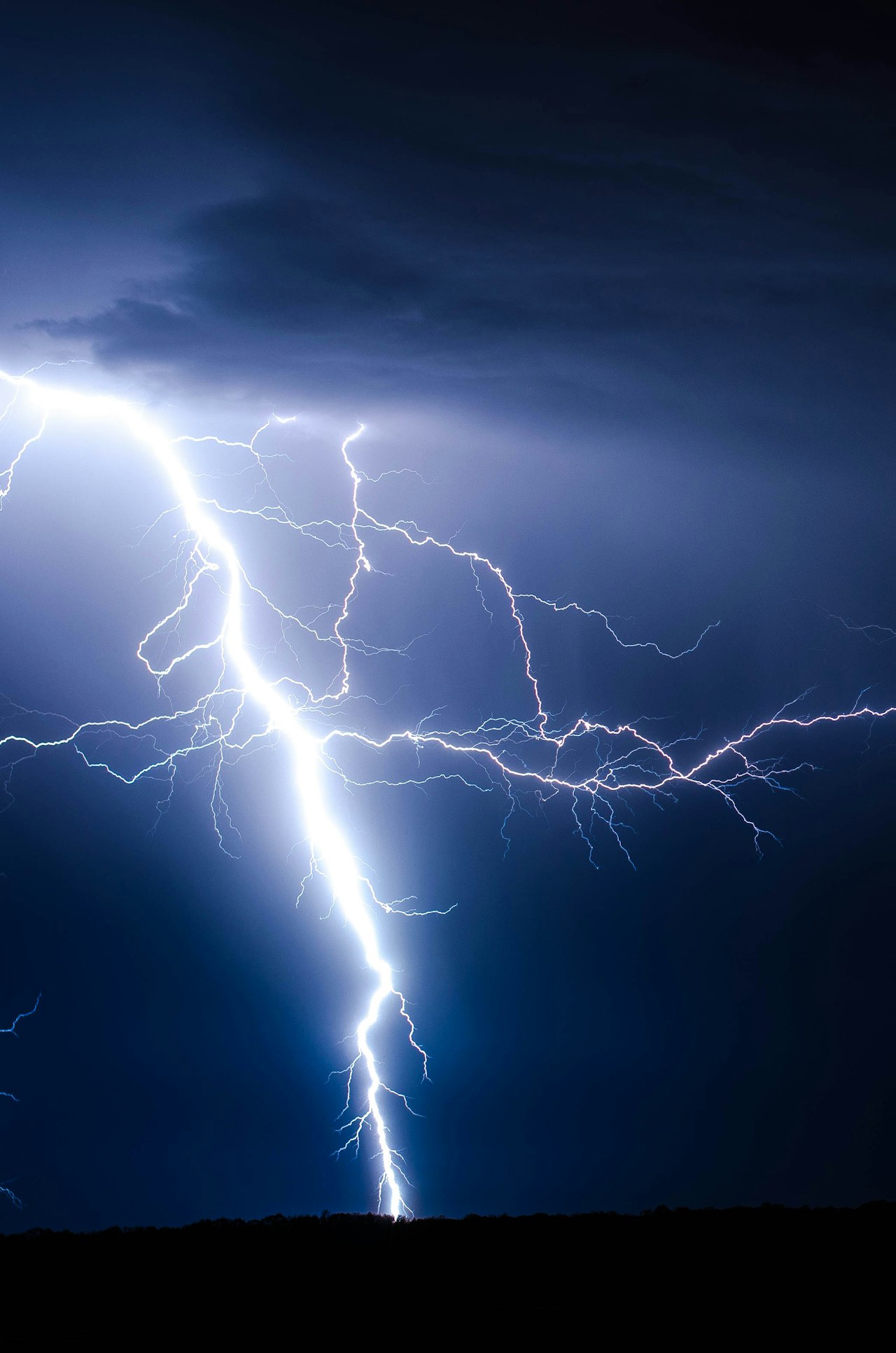
Because the storm is so reliable and visible from hundreds of kilometers away, ships in the Caribbean used it to navigate long before GPS — steering by a glow on the horizon that was, in effect, a free natural lighthouse. That same dependability is woven into one of the storm's most famous tales.
Legend has it that in 1595, Sir Francis Drake tried to take the city of Maracaibo in a stealth night attack, only for the Catatumbo lightning to do exactly what it always does — its flashes lighting up his approaching ships and betraying the raid to the city's defenders, so the ambush failed. It's a great story, but a contested one: many historians point out that Drake never actually attacked Maracaibo, and that the lit-up-ships scene most likely belongs to the defense of San Juan. The Spanish poet Lope de Vega did help cement the lightning's fame in his 1597 poem La Dragontea. Indigenous peoples — the Wayuu, the Yukpa, the Barí — had of course known the lightning for millennia, weaving it into their own cosmologies.
The night the lightning went out
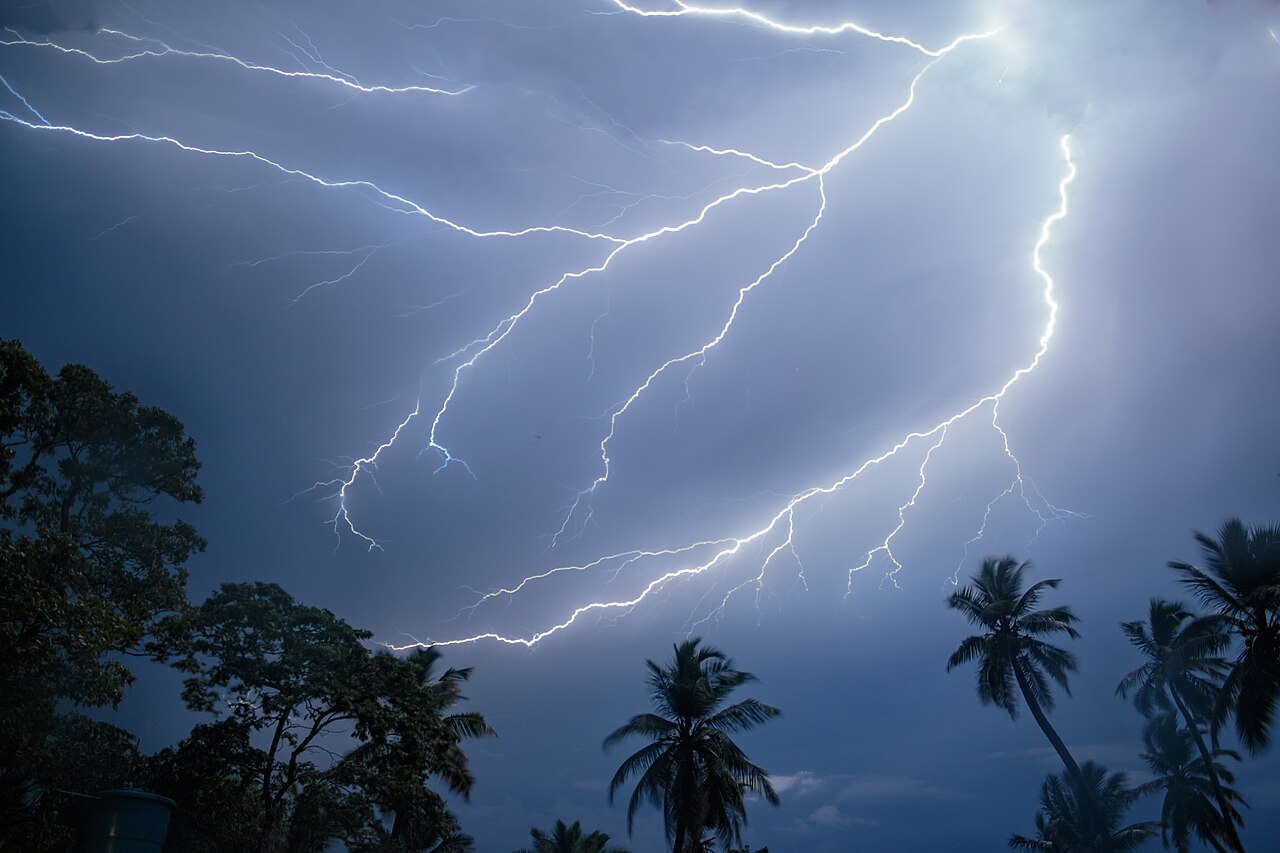
For all its reliability, the Catatumbo is not immortal. In early 2010, a severe drought strangled the storm completely — for the first time in living memory, the sky over Lake Maracaibo went dark for weeks. Locals worried the beacon had been snuffed out for good. Then the rains returned, the warm-air machine spun back up, and the lightning came roaring back as if nothing had happened.
That fragility is the part that stays with me. We tend to think of lightning as pure chaos — random, untameable, the very symbol of an angry sky. Yet here is a storm so orderly you could set your watch by it, so faithful that pirates were caught and sailors found their way home by its light. And it turns out even that depends on something as ordinary as enough rain falling on a lake. The most electric place on Earth runs on nothing more dramatic than warm water, cool wind, and a wall of mountains — repeating, patiently, almost every night, the way it has for as long as anyone has been there to look up.