
No, Your Body Doesn't Replace Itself Every 7 Years
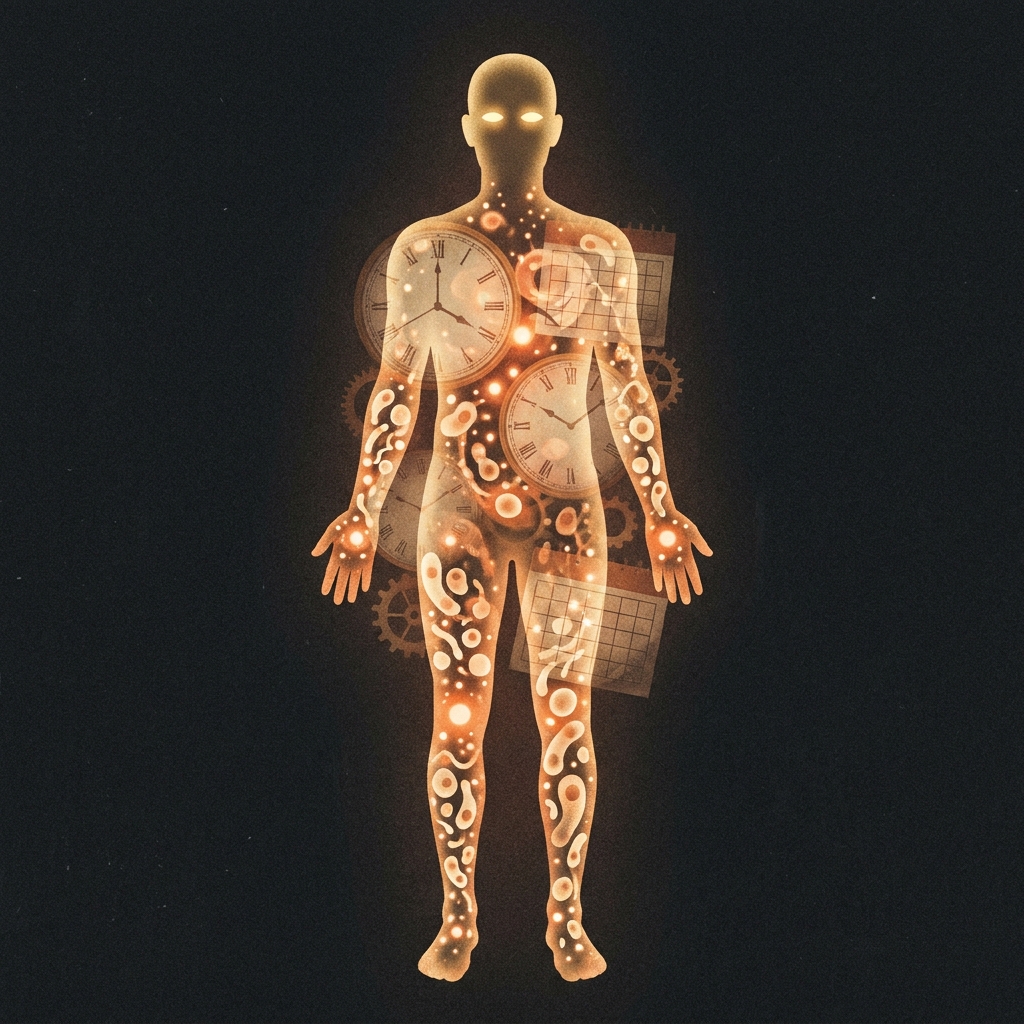
You have probably heard it at a party, or read it in a magazine, delivered with the calm authority of a fact: every seven years, your body replaces all of its cells, so you are quite literally a brand-new person. It's a lovely idea. It feels true. It is also wrong — and the way scientists proved it wrong involves Cold War nuclear bombs, a Swedish radiocarbon lab, and a few stubborn cells that have been with you since before you were born.
Where the seven-year number actually comes from
The myth has a real scientific ancestor, and it's worth meeting. In 2005, the biologist Jonas Frisén and his team at the Karolinska Institute in Stockholm published a clever study in the journal Cell. They worked out that the average age of a cell in the adult human body is somewhere around seven to ten years.
And there it is — seven years. Except "average age of a cell" is a wildly different statement from "your whole body is replaced every seven years." That average is dragged downward by the enormous number of cells that live fast and die young, the way one toddler at a dinner party drags down the average age of the table. It does not mean everyone got swapped out. As Frisén himself put it, the body renews itself at different speeds in different places: some parts of you are genuinely days old, and some are exactly as old as you are.
The body's two speeds: sprinters and lifers
Once you look organ by organ, the single tidy number falls apart into a riot of different clocks.
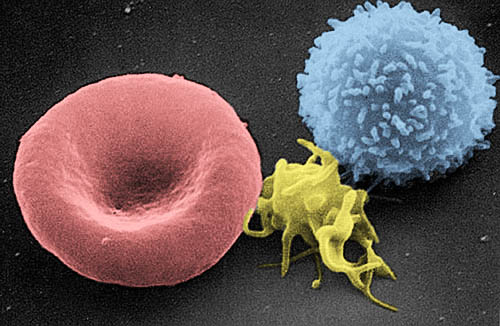
At the fast end, the lining of your gut is the speed champion of the entire body. The cells facing the inside of your intestine get shredded by acid, enzymes and the sheer abrasion of digestion, so they are completely replaced roughly every four to five days. Your skin's outer layer takes a couple of weeks to renew. Red blood cells, hauling oxygen on a brutal loop through your vessels, last about 70 to 120 days before being broken down and recycled.
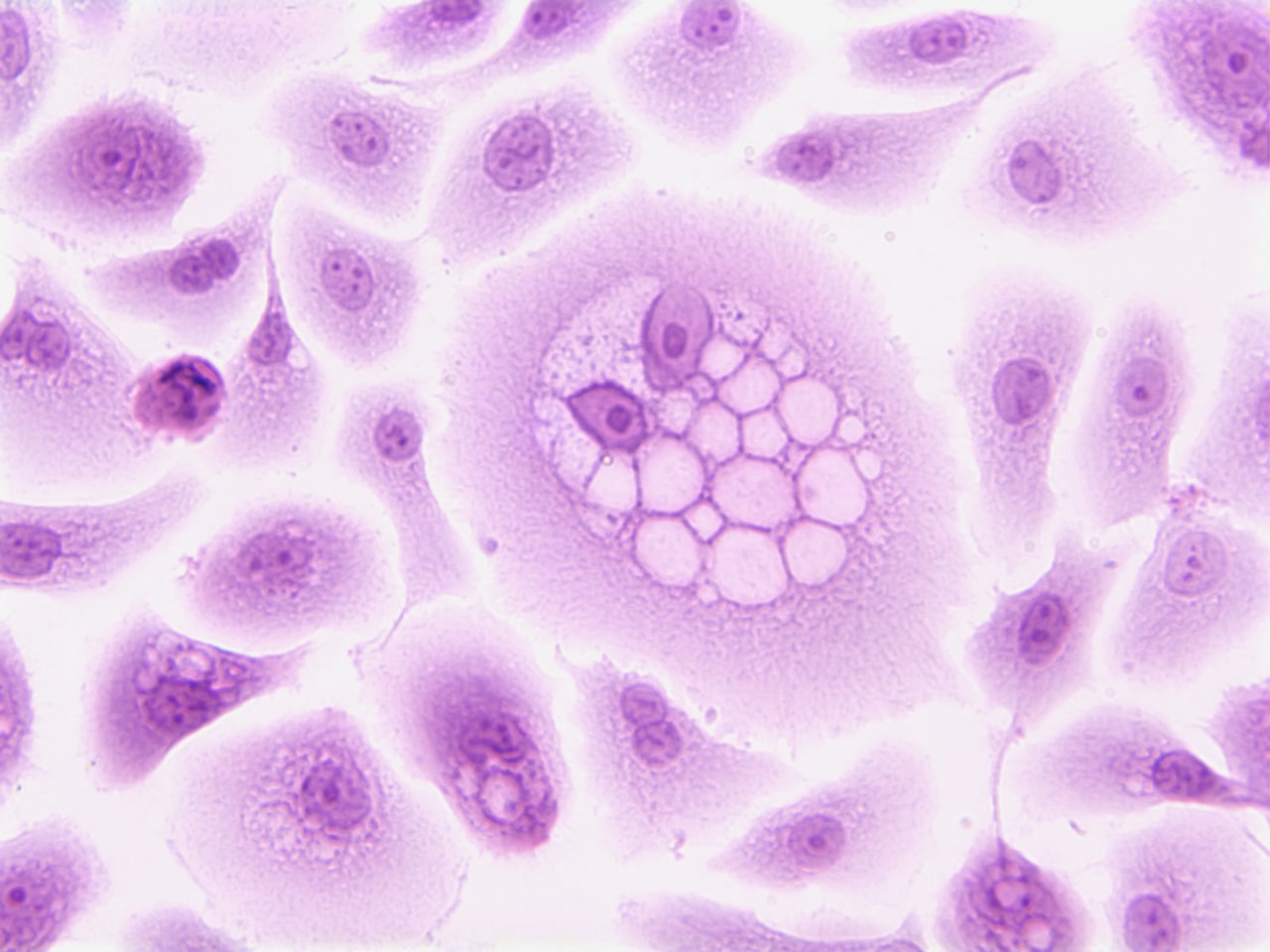
Then there are the lifers — the cells and structures that never get the memo. The neurons of your cerebral cortex, the thinking outer shell of your brain, are with you essentially from birth to death; they are not routinely swapped out for fresh ones. The clear lens inside your eye is built from proteins laid down before you were even born and never replaced afterward, which is part of why nearly everyone eventually develops cataracts: it is decades-old protein, slowly clouding. And the enamel on your teeth, the hardest substance your body makes, has no living cells to renew it at all. Crack it and it stays cracked. That's why dentists drill and fill rather than wait for it to heal.
How nuclear bombs became a stopwatch for cells
Here's the part that sounds invented. How do you measure the birthday of a cell buried inside a living person? You use fallout.
Throughout the 1950s and early 1960s, above-ground nuclear weapons tests blasted a huge pulse of radioactive carbon-14 into the atmosphere. Levels of it roughly doubled, then began falling after the 1963 test ban treaty ended atmospheric testing. Plants absorbed that carbon-14 through photosynthesis, animals ate the plants, we ate both — and so the carbon in our food, and therefore in our bodies, carried a sharp atmospheric fingerprint that has been drifting downward ever since.
The trick is that when a cell is born and copies its DNA, it locks in carbon from that exact moment, like a ring frozen in a tree. So researchers measured the carbon-14 inside the DNA of cells from donated human tissue and matched it against the year-by-year curve of atmospheric levels. A high reading meant the cell was minted at the peak of the bomb era; a low one meant it was made later. The DNA, in effect, was carrying a date stamp courtesy of the Cold War.
What the date stamps revealed
The results were quietly astonishing. Some heart muscle cells turned out to be nearly as old as the person they belonged to. The cortex really was original equipment. But the technique also caught the body in the act of renewal where no one expected it: a later study using the same bomb-pulse method showed that a small population of neurons in the hippocampus — the brain's memory hub — does keep being born throughout adult life, on the order of hundreds of new cells a day. So even the "your brain never changes" story needed an asterisk.
There's a melancholy footnote to all of this. The bomb-pulse signal is fading as that 1960s carbon-14 keeps diluting, and researchers estimate it will sink back to natural background levels by around 2050. After that, this particular dating trick simply stops working — the atmosphere will have forgotten the bombs.
So no, you are not a fresh person every seven years. You are a strange archive of overlapping timelines: a gut that's days old, blood that's a season old, a brain and an eye and a set of teeth that have quietly carried your whole life with you. You are not a clean slate. You are the most detailed record you will ever keep.