
Did a Little Ice Age Build the Perfect Stradivarius?
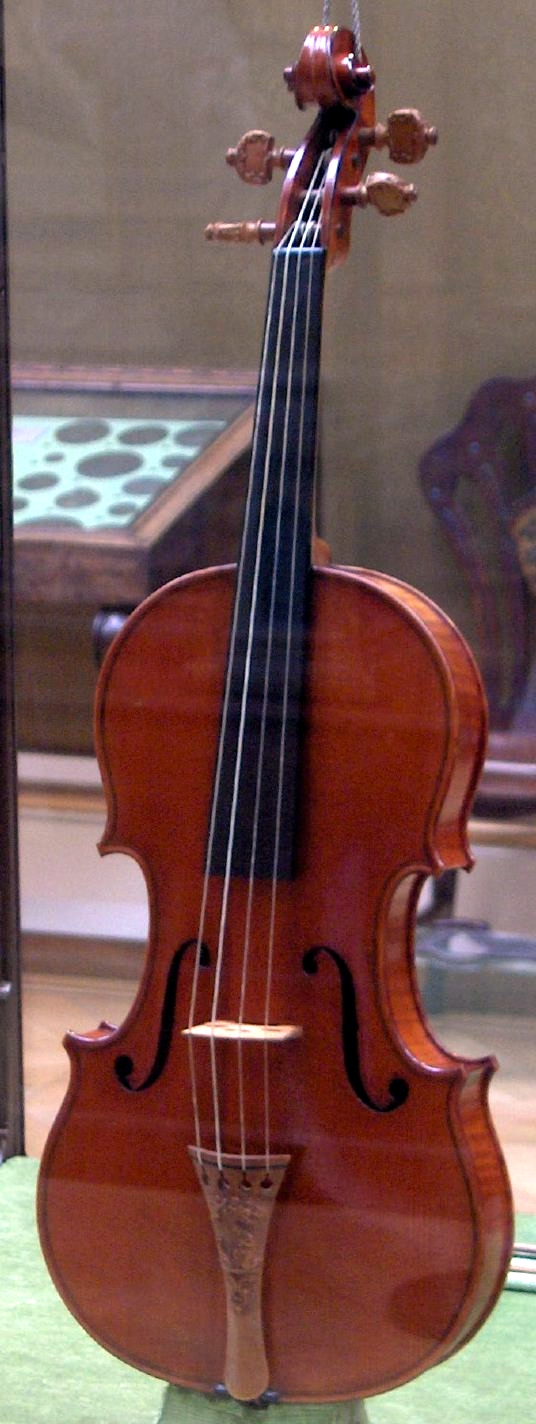
For three hundred years, the violins Antonio Stradivari built in a workshop in Cremona have carried a reputation that borders on the supernatural. A genuine "Strad" can sell for millions, and players speak of its voice the way sommeliers speak of a legendary vintage — warm, singing, impossible to copy. Generations of luthiers, chemists and physicists have tried to bottle the secret: a mythical varnish, a lost recipe, a special soaking of the wood. But one of the most seductive explanations has nothing to do with the man at all. It points instead at the sky above the Alps, and at a stretch of decades so strangely cold that the sun itself seemed to go quiet.
The decades the sun went dim
Stradivari did most of his greatest work between roughly 1680 and 1720, and that window sits almost exactly on top of a climate anomaly called the Maunder Minimum — a stretch from about 1645 to 1715 when sunspots all but vanished from the solar surface. Astronomers of the day counted a few dozen spots across an entire decade; today we'd expect to see thousands. That quiet sun fell in the middle of the Little Ice Age, the long cold spell that froze Europe's rivers, pushed Alpine glaciers down their valleys, and let Londoners hold "frost fairs" on a Thames thick enough to roast an ox.
In 2003, a dendrochronologist named Henri Grissino-Mayer and a climatologist named Lloyd Burckle put two facts side by side and asked an irresistible question. The coldest decades of that era produced the slowest-growing trees Europe had seen in centuries. Stradivari built his violins from exactly that wood. What if the cold, not the craftsman, made the magic?
Slow wood, even grain
To see why that idea is so tempting, you have to look at how a tree records its own life. Every year a spruce lays down a ring in two parts: a pale, soft band grown fast in the warmth of spring, and a darker, denser band laid down slowly as the season cools. In a warm year the tree gorges itself and the soft early band grows wide. In a long, cold, miserable summer, growth barely happens at all — and the ring comes out narrow and remarkably uniform, with little difference between the spongy part and the hard part.
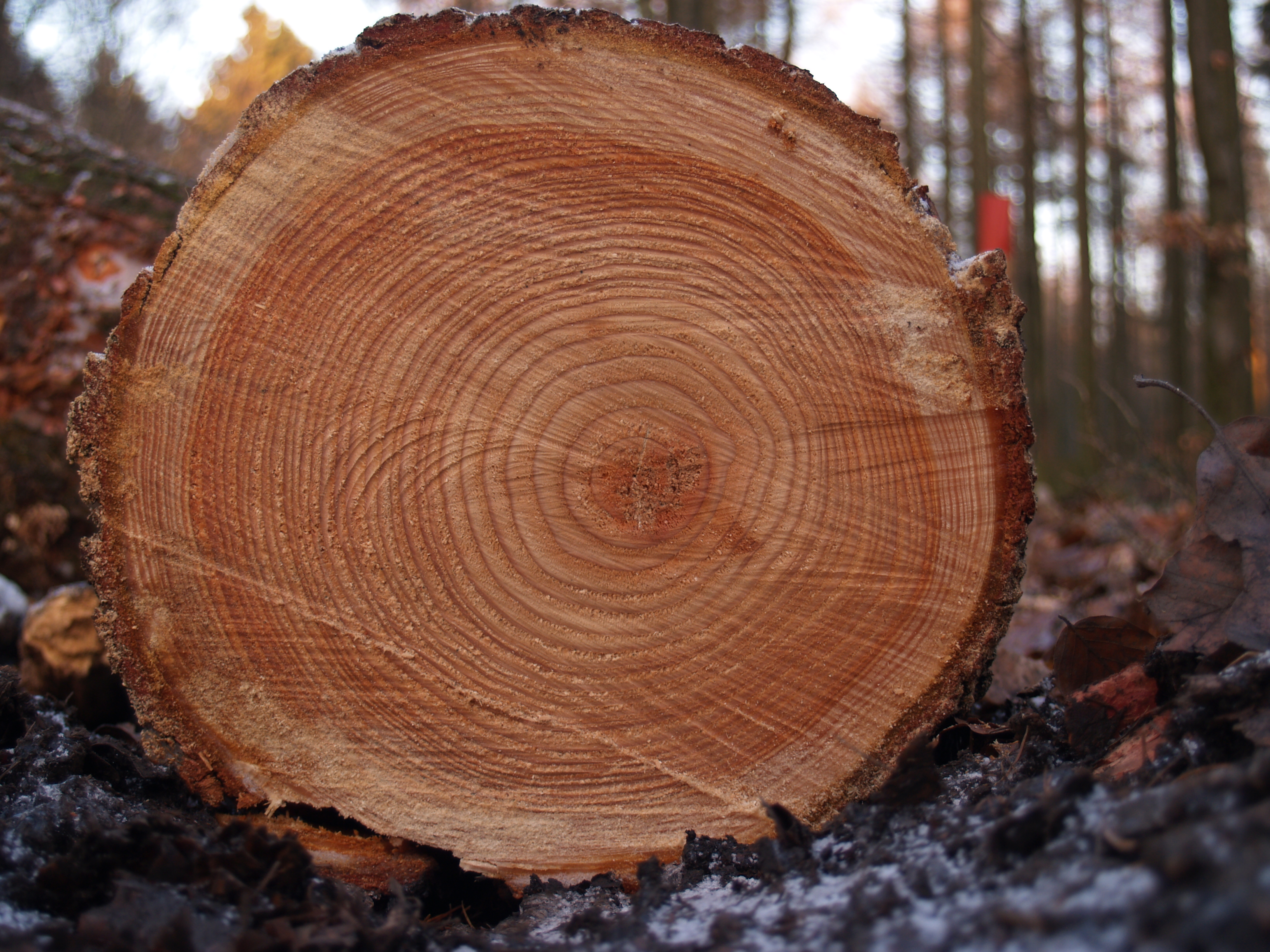
The high-altitude spruce that grew during the Maunder Minimum did exactly this. Researchers measuring the wood found rings of just 0.6 to 0.95 millimetres, against the 1.5 to 2 millimetres a comparable tree puts on today. Narrow, even rings mean wood that is denser, stiffer and more acoustically consistent — and the top plate of a violin, the spruce "soundboard" that vibrates under the strings, is exactly where stiffness and evenness matter most. The theory is elegant: the same frozen sky that ruined the harvests handed Stradivari a once-in-an-era timber he could never have grown himself.
A beautiful theory meets a blind test
There is just one problem. When you actually put the legend on trial, it tends to lose.
Starting in 2010, the researcher Claudia Fritz and the American violinmaker Joseph Curtin ran a series of rigorous double-blind experiments. Elite soloists played priceless old Italian violins — Stradivaris and Guarneris among them — alongside brand-new instruments, in darkened rooms, wearing welder's goggles, with the rosin perfume masked so no one could sniff out an antique. Then the players, and later whole concert-hall audiences, were asked which they preferred and which they thought was old.
They couldn't tell. In trial after trial, listeners and players alike failed to reliably pick the antiques out of the lineup — and when they did choose a favourite, they slightly tended to prefer a new violin. In one Paris test a modern instrument was the runaway winner while a Stradivari finished dead last. The aura of the old wood, it turns out, lives partly in the name on the label and the price on the case.
So did the cold make the magic?
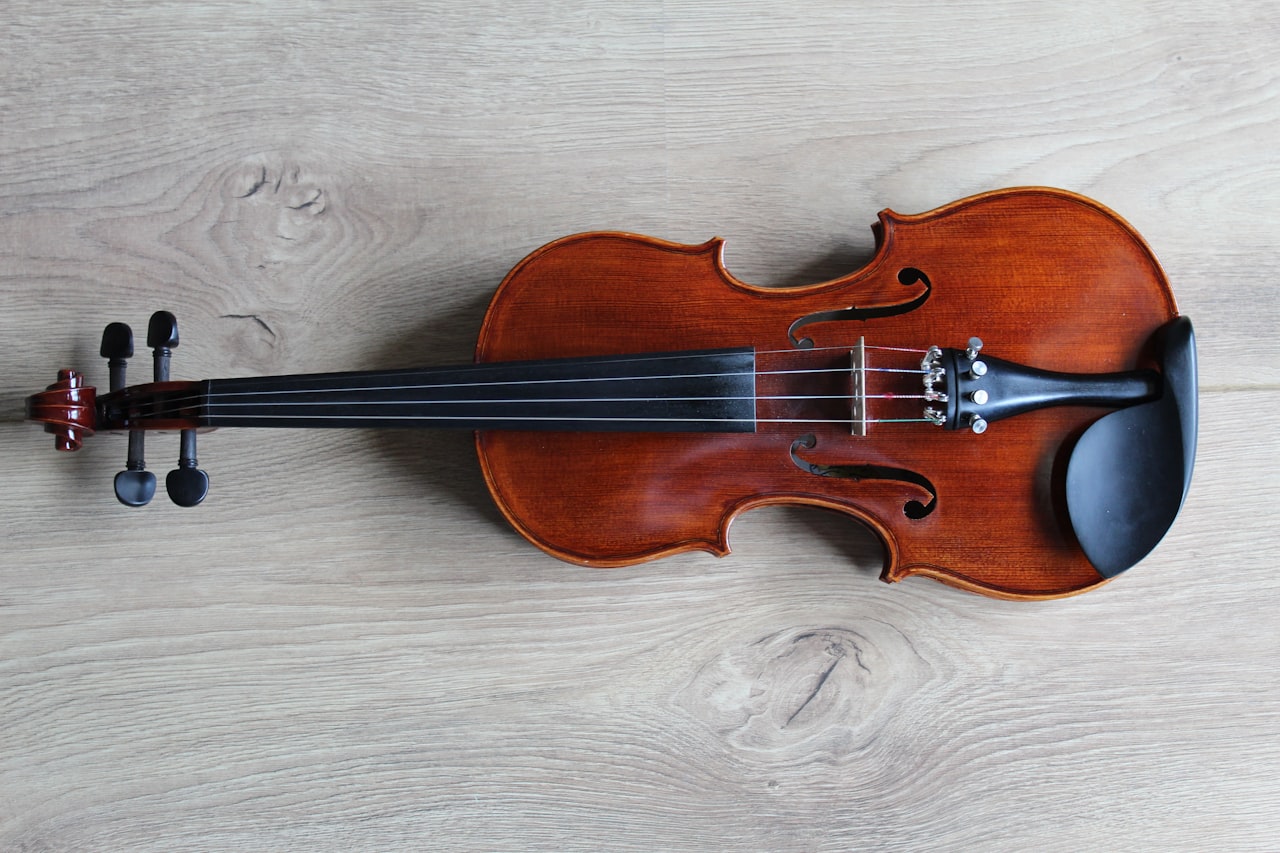
Here is the honest, slightly unsatisfying answer. The climate story is real on its own terms: the Maunder Minimum did happen, Alpine spruce did grow dense and slow, and Stradivari did build from that exceptional timber. It very likely gave him superb raw material to work with. But "superb material plus a master's hands" is not the same as "acoustically unbeatable," and the blind tests are stubborn — modern makers, given good wood and three centuries of accumulated knowledge, build instruments that expert ears can't reliably tell from a million-dollar Strad.
Which leaves us with something more interesting than a secret recipe. The Stradivarius may be a genuine marvel and a self-fulfilling legend — a wonderful instrument wrapped in a story so good that we hear the story as much as the sound. And buried inside that story is a small, dizzying fact worth keeping: somewhere in your idea of "the most perfect violin ever made" is a faint fingerprint of a sun that stopped making spots, and a winter that lasted seventy years.