
Petrichor: The Real Smell of Rain
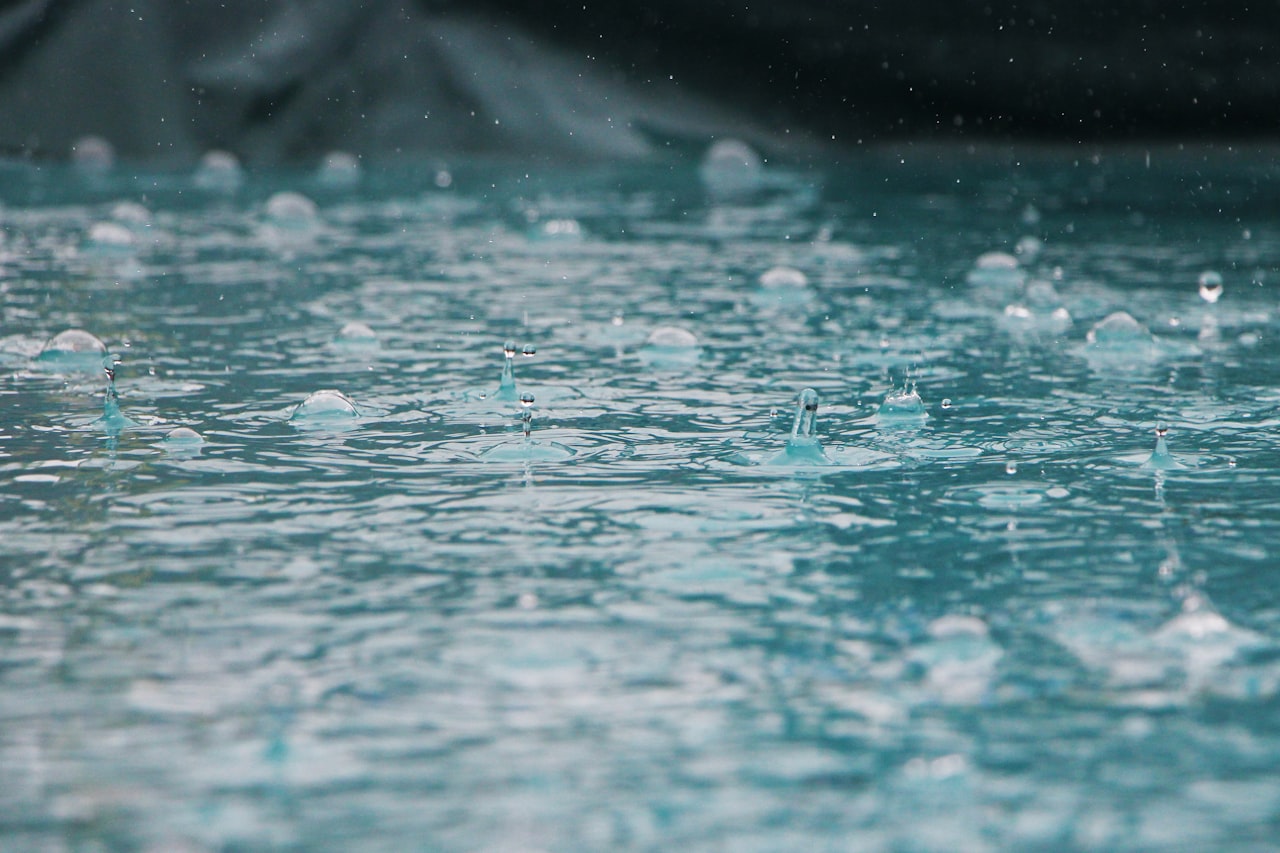
You know the smell. The first rain after a long dry spell hits the ground and the whole world suddenly smells clean, earthy, faintly sweet — a scent so specific that almost everyone recognizes it instantly, even if they've never had a word for it. There is a word: petrichor. And the thing it describes turns out to be one of those small miracles hiding in plain sight — a smell made by bacteria, flung into the air by raindrops behaving like tiny champagne glasses, and detected by a nose so sensitive to it that it borders on a superpower.
A word invented to name a feeling
For most of history the after-rain smell didn't have a proper name — scientists dryly called it "argillaceous odour," which is about as romantic as it sounds. Then in 1964, two Australian researchers, Isabel Joy Bear and Richard Thomas, published a paper in Nature and coined a new word for it: petrichor.
They built it from Greek: petra, meaning stone, and ichor, the ethereal fluid that flowed in the veins of the gods in mythology. The blood of the gods, in the stones. That is, frankly, an outrageous amount of poetry to smuggle into a chemistry paper — and it stuck, because the smell really does feel like that: something ancient seeping up out of the rock and soil.
It's mostly a smell made by bacteria
The signature earthy note in petrichor comes from a single molecule with a wonderful name: geosmin (literally "earth smell"). And here's the twist — geosmin isn't made by the rain, or the rock, or the plants. It's made by bacteria living in the soil, mostly a group called Streptomyces.
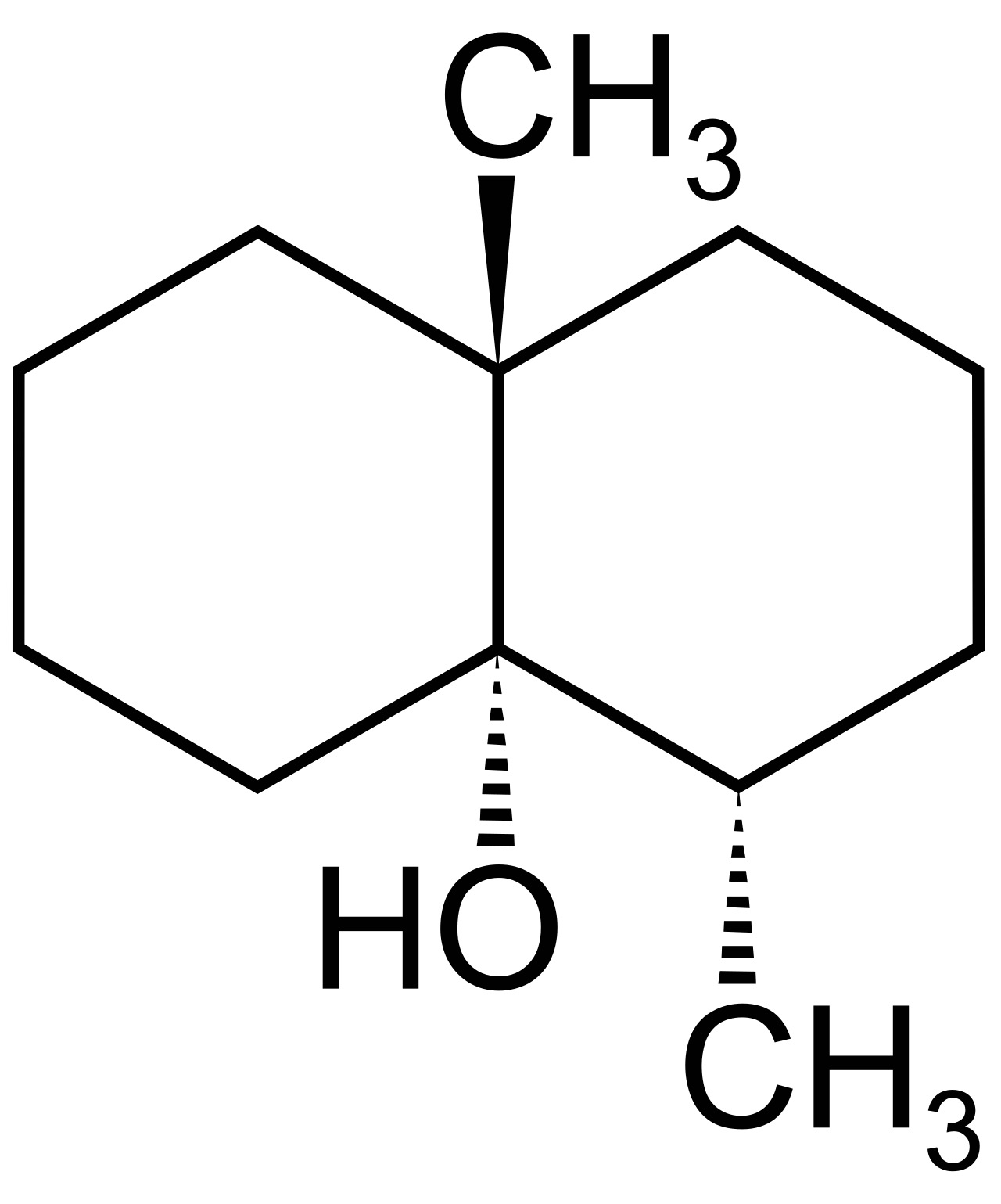
These bacteria pump out geosmin constantly as they grow, and it builds up in dry ground waiting to be released. There's a beautiful reason they bother. A 2020 study in Nature Microbiology found that geosmin is essentially bait: it's released by Streptomyces when they form spores, and it lures tiny soil bugs called springtails, which come to feed, get coated in spores, and carry the bacteria off to new ground — a little courier service paid in smell. The earthy scent you love is, in part, a bacterium advertising for a ride.
Your nose is absurdly good at finding it
Here's the part that always gets me. The human nose is extraordinarily sensitive to geosmin — we can detect it at concentrations of just a few parts per trillion. To picture how tiny that is: it's like noticing a single drop in a quantity of water large enough to fill many Olympic swimming pools. We can sniff out geosmin far better than a shark can smell blood.
Why so sensitive to one specific molecule? The best guess is survival. Geosmin signals soil, moisture, and life — exactly the cues that mattered to our ancestors searching dry landscapes for water and food. A nose tuned to "rain is coming / water is here" would have been a very good nose to have. (It's also why geosmin is the villain behind the "muddy" off-taste in tap water and farmed fish — the same hair-trigger sensitivity that delights us in a forest annoys us at the kitchen sink.)
The raindrop is a tiny champagne glass
So the smell is sitting in the dry ground. How does rain launch it into the air? In 2015, MIT engineers Youngsoo Joung and Cullen Buie filmed falling drops with high-speed cameras and caught the mechanism in gorgeous slow motion.
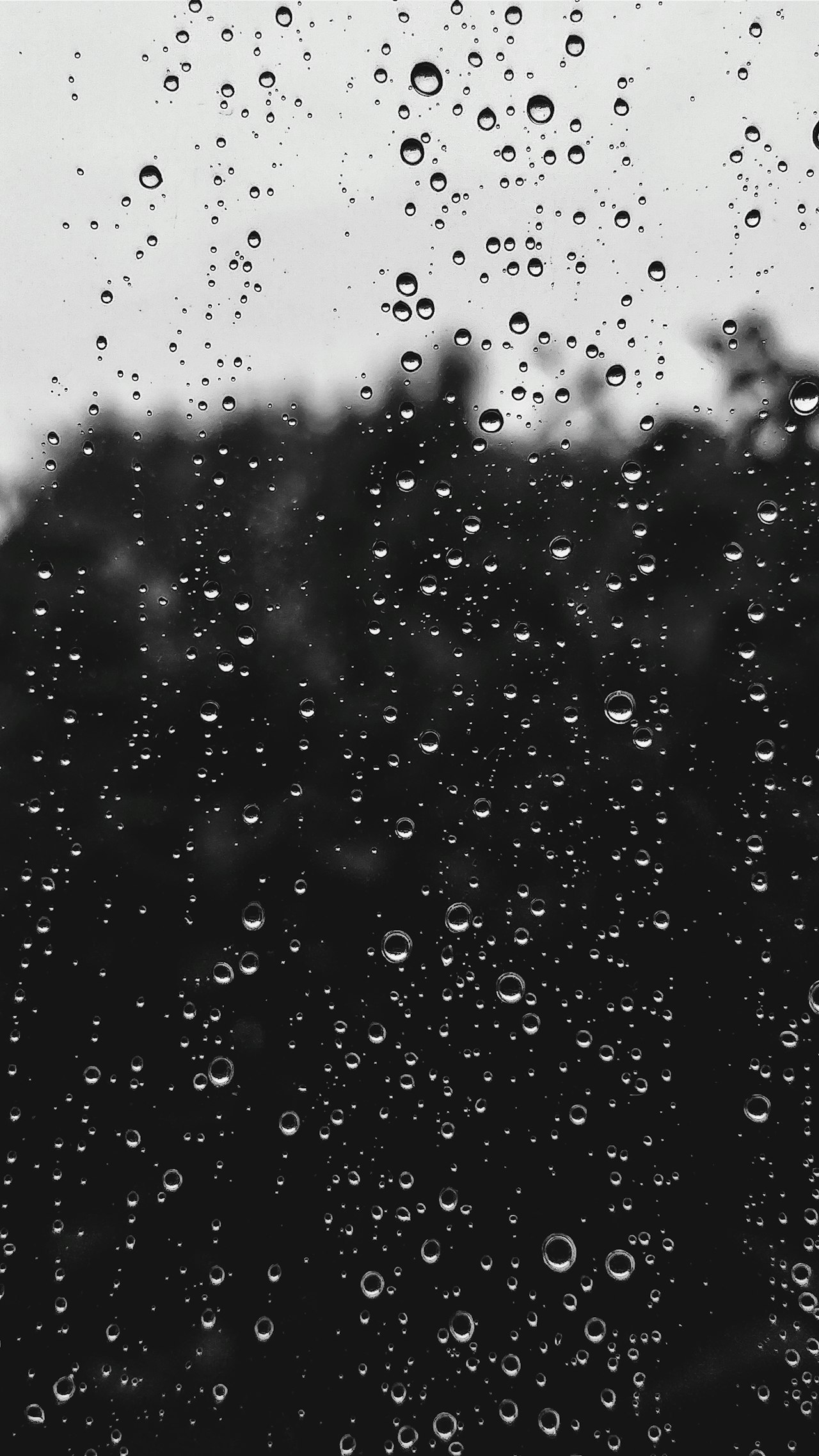
When a raindrop lands on porous ground, it momentarily traps a tiny bubble of air at the point of impact. That bubble shoots up through the drop and bursts at the surface — exactly like the bubbles fizzing up in a flute of champagne — flinging out a fine spray of aerosols: microscopic droplets that carry geosmin (and trapped soil bacteria) up into the breeze. Multiply that by millions of drops and you get the wall of scent that rolls in ahead of a shower. The MIT team even found that gentle rain releases more of these aerosols than a heavy downpour — which is why a soft drizzle on warm earth often smells stronger than a violent storm.
Why I love this one
Petrichor is a perfect little chain of accidents. Bacteria make a molecule to hitch a ride on a bug. The molecule waits in the dirt. A raindrop turns itself into a champagne bubble and throws that molecule skyward. And a nose, tuned by a million years of looking for water, catches a few parts per trillion of it and floods you with the feeling of fresh.
Next time the first rain comes, take the deep breath — you're smelling soil bacteria advertising for a ride, atomized by a falling drop, and your body recognizing, on some ancient level, that water has arrived.
Images: Unsplash (free to use) and Wikimedia Commons (public domain). Science via Bear & Thomas (Nature, 1964), Joung & Buie (MIT / Nature Communications, 2015), and Becher et al. (Nature Microbiology, 2020).