
The Chips That Think in Spikes, Not Ticks
Every computer you have ever used keeps time. Deep inside, a quartz crystal ticks billions of times a second, and on each tick the whole machine lurches forward one step in lockstep — fetch, compute, store, repeat. It is relentless, exhausting, and it never stops, even when there is nothing to do. Your brain works nothing like this. It has no clock. It sits mostly silent, sipping about as much power as a dim lightbulb, and it only fires when something actually happens. A small tribe of engineers has spent years asking a stubborn question: what if a chip could think the way a brain does — in spikes, not ticks? The answer is a strange new kind of silicon called a neuromorphic chip.
A chip that speaks in spikes
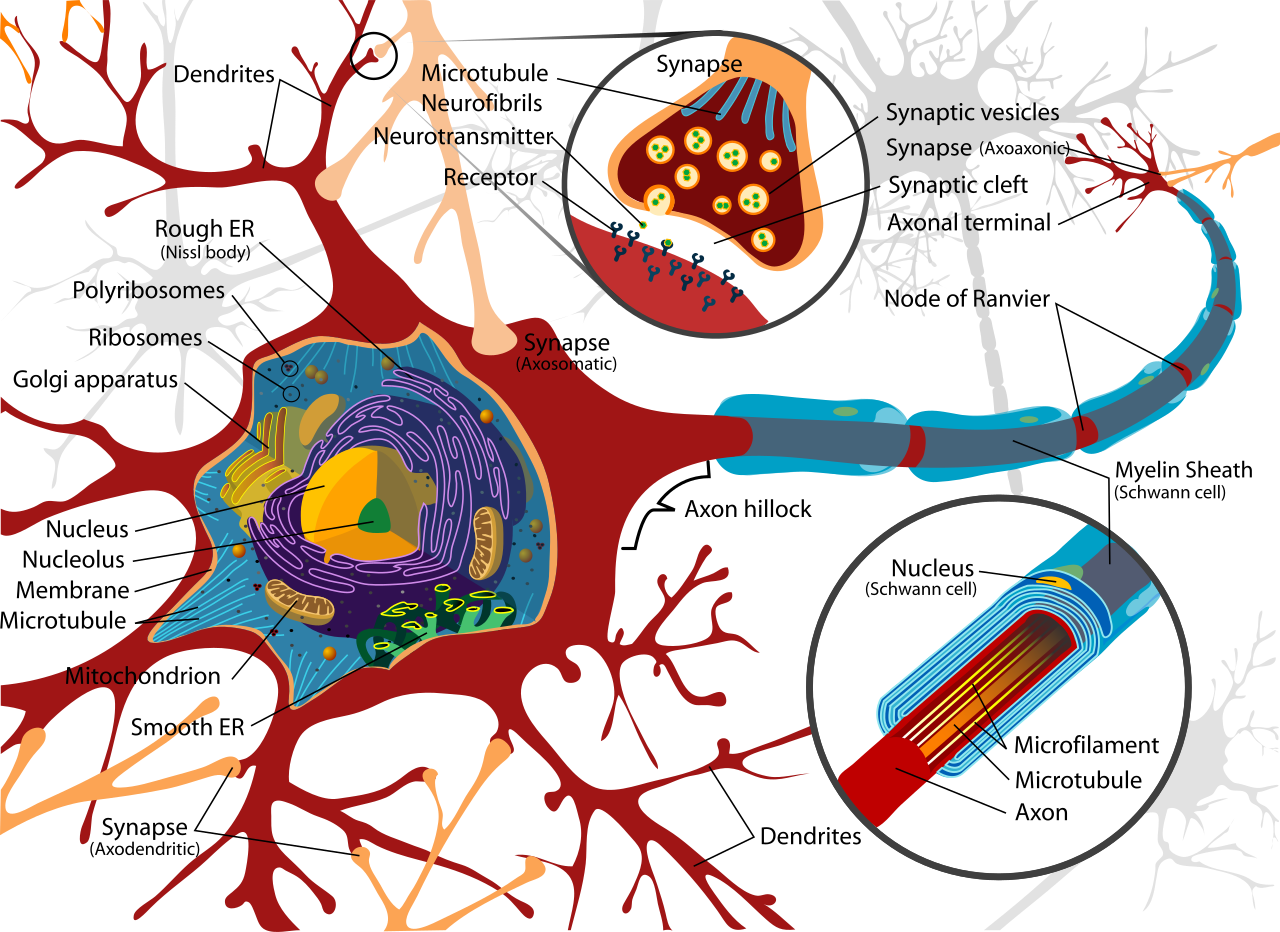
In a normal processor, information is a number sitting in a register, updated on schedule. In a brain, information lives in timing — the precise moment a neuron decides to fire a tiny electrical pulse, a "spike," down its wires to the neurons it connects to. The pattern and the rhythm of those spikes are the message. A neuron that fires a little earlier or a little later means something different.
Neuromorphic chips copy this idea directly. Intel's research chip, Loihi 2, is built from artificial neurons that stay quiet until they receive enough incoming spikes to "cross a threshold," at which point they fire their own spike and fall silent again. There is no central clock herding everyone forward. Each part of the chip wakes up only when a spike arrives, does its little bit of work, and goes back to sleep. Engineers call this event-driven computing, and the everyday version of the idea is simple: do nothing until something happens.
No clock, no waste
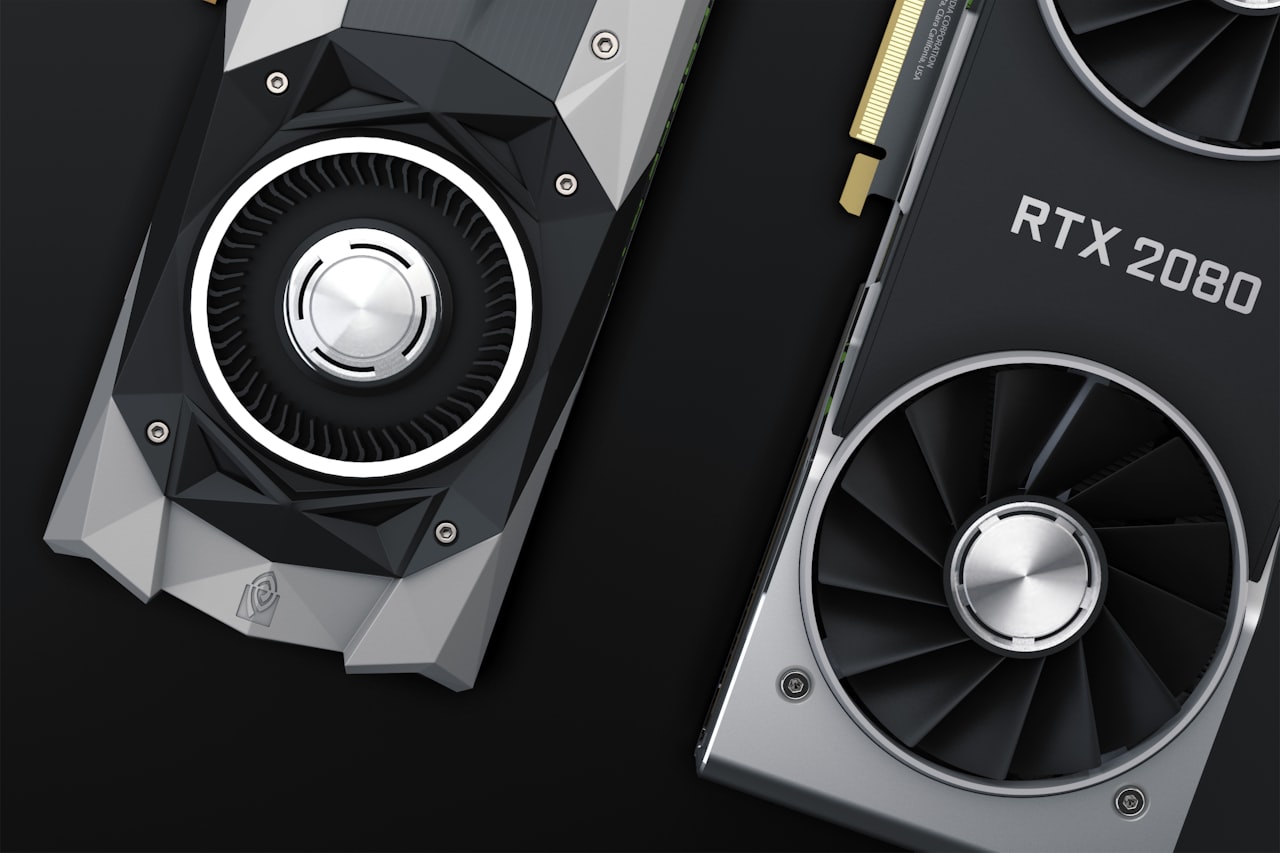
This sounds like a small design choice. It is actually a revolution in where the energy goes. A modern graphics chip — the kind powering today's AI — burns hundreds of watts whether or not it is doing anything useful, because the whole grid has to march to the clock. A neuromorphic chip is dark by default. Power flows only along the wires where spikes are actually moving, the way a city block only lights up the windows where someone is home.
The numbers are dramatic. On the right kind of problem, Loihi-based systems have done AI inference and optimization tasks using up to roughly 100 times less energy than conventional CPUs and GPUs, and sometimes far faster too. The chip is not cheating — it simply refuses to spend energy on silence. Most of what any computer does, after all, is wait.
Loihi 2: a swarm, not a soldier
Open up Loihi 2 and there is no single boss. Each chip is a mesh of up to 128 fully asynchronous cores — meaning none of them waits for a shared heartbeat. They talk to each other by passing small packets of messages across a tiny on-chip network, exactly when they have something to say. Each core can simulate thousands of neurons and hundreds of thousands of synaptic connections, with the memory for those connections sitting right next to the compute, so data barely has to travel.
That last detail matters more than it sounds. In a normal computer, the processor and the memory are separate rooms, and most of the energy and time is spent ferrying data between them — the infamous "von Neumann bottleneck." A neuromorphic chip dissolves the bottleneck by storing the memory inside the neurons themselves, the way your own synapses are both the wiring and the storage at once.
Hala Point: a brain the size of a microwave
Then Intel did the obvious mad thing: they wired a lot of these chips together. The result, called Hala Point, packs 1,152 Loihi 2 chips into a chassis about the size of a microwave oven. Together they form roughly 1.15 billion neurons and 128 billion synapses spread across 140,544 cores — a neuron count Intel likens to an owl's brain or a capuchin monkey's cortex.
The whole system draws at most around 2,600 watts — less than two hair dryers — yet when running brain-inspired networks it can churn through its full population of neurons faster than a biological brain runs them. It now lives at Sandia National Laboratories, not as a product you can buy but as a telescope pointed at a question: can we build intelligence that is cheap to run because, like us, it mostly does nothing?
The kicker
There is a quiet irony buried in all this. We spent seventy years teaching silicon to keep perfect time, to never pause, to grind forward tick after tick — and it made computers extraordinary. Now, chasing the efficiency of the three-pound organ inside our skulls, the smartest move our engineers can make is to take the clock away and teach the machine, at last, how to wait.