
The Megaflash: One Lightning Bolt, 829 km From Texas to Missouri
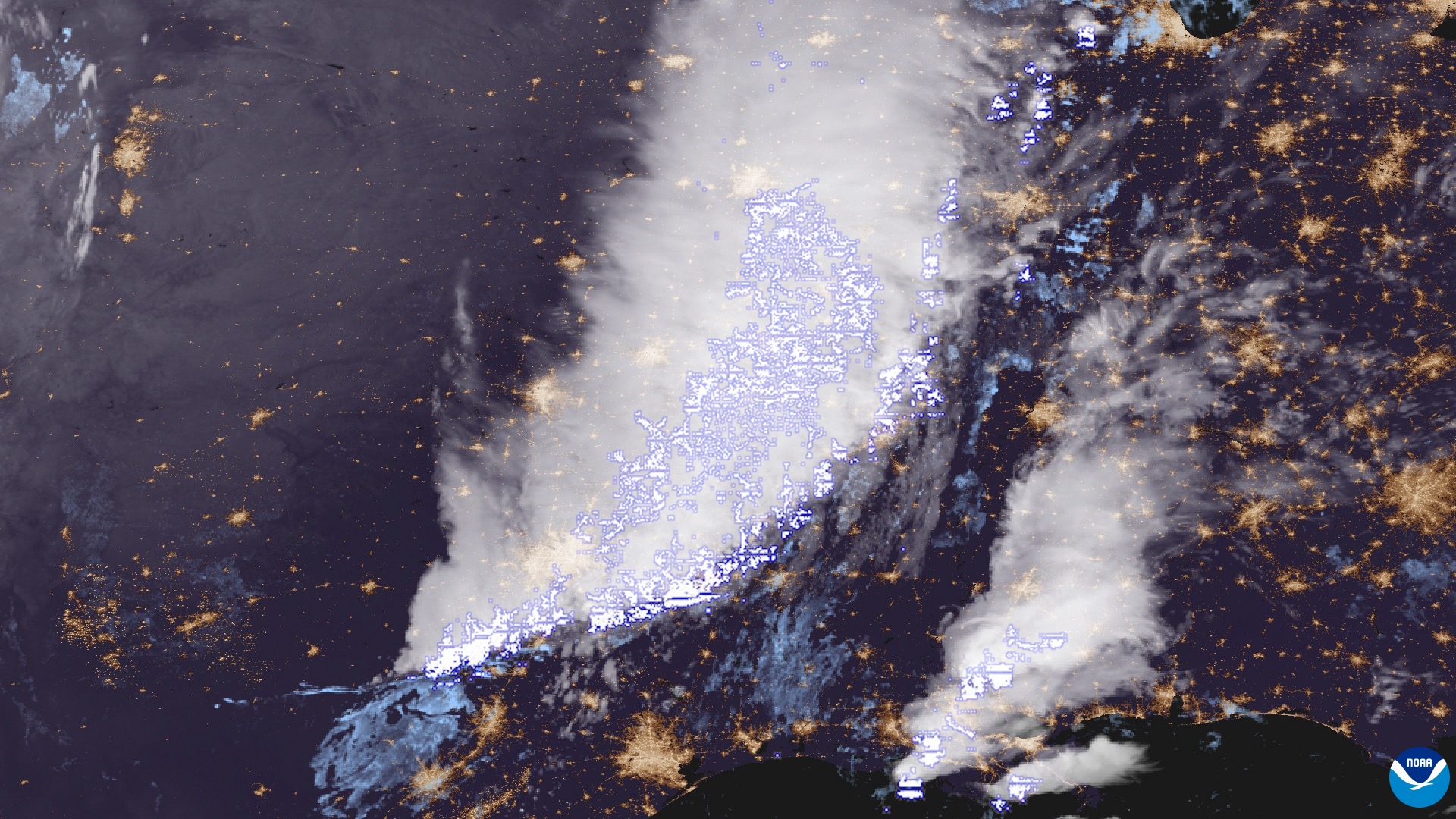
Picture a single bolt of lightning that starts near the pine forests of eastern Texas and doesn't stop until it reaches the suburbs of Kansas City, Missouri. Not a storm that travels that far over an afternoon — one flash, lit up in a fraction of a second, stretching 829 kilometers across the night sky. For years it hid in plain sight inside old satellite data, and in 2025 the World Meteorological Organization finally crowned it the longest lightning flash ever recorded. Here's the strange, beautiful story of the megaflash.
A bolt the length of a country
Let the number sink in: 829 kilometers, give or take 8. That's roughly the distance from Paris to Venice. NOAA puts it nicely — it would take a car eight or nine hours to drive that far, and a commercial jet at least 90 minutes to fly it. This lightning did it in a single, branching flash that flickered to life and was gone before you could blink.
The flash struck on October 22, 2017, during a sprawling thunderstorm complex over the Great Plains. It beat the previous world record — a 768-kilometer flash across the southern United States on April 29, 2020 — by a comfortable 61 kilometers. And here's the twist: this monster wasn't spotted when it happened. It sat unnoticed in the archives for years until scientists went back, reprocessed the data with better methods, and realized what they were looking at.
How a flash gets that big
Ordinary lightning — the kind that makes you flinch and count one-one-thousand, two-one-thousand — travels a few kilometers at most. Megaflashes are a different animal entirely. They don't happen in a single towering thundercloud; they happen across mesoscale convective systems, huge organized clusters of storms that can blanket several states at once.
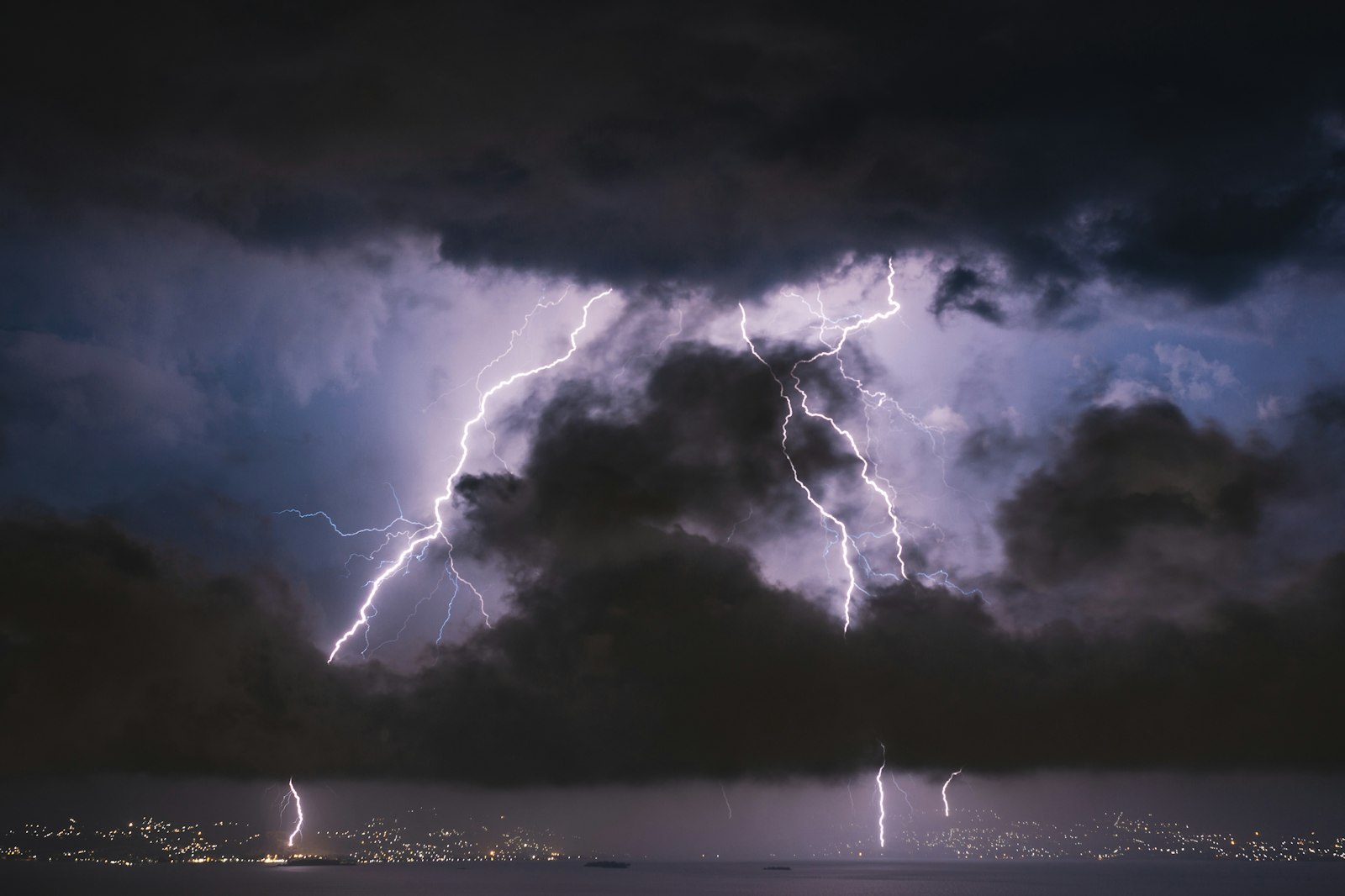
Inside these giant systems, electric charge spreads out in vast horizontal sheets near the top of the storm. When a discharge gets going, it can keep propagating sideways from cell to cell, hopscotching through the cloud layer over hundreds of kilometers. The record-breakers are almost always cloud-to-cloud flashes, weaving through the sky thousands of feet up rather than striking the ground. They're less a bolt and more a slow, spidering wildfire of electricity racing across the underbelly of a continent-sized storm.
Why we only just found it
Here's the part I love: this record exists because of where we put our cameras. From the ground, you could never measure a flash 829 kilometers long — no single observer can see that far, and the curve of the Earth gets in the way. The breakthrough was looking down instead of up.
NOAA's GOES satellites — GOES-16, 17, 18, and 19 — carry an instrument called the Geostationary Lightning Mapper. Parked 36,000 kilometers above the equator, it watches entire hemispheres at once, snapping the faint optical pulses of lightning hundreds of times per second. Suddenly you can see a flash in its entirety, sprawling across half a dozen states, and measure it end to end. The megaflash record isn't just a story about weather; it's a story about finally having a vantage point high enough to see how big lightning can really get.
The other record: lightning that won't quit
Distance is only half the megaflash story. There's also duration — and that record is just as humbling. On June 18, 2020, a single flash over Uruguay and northern Argentina lasted 17.102 seconds. Seventeen seconds of continuous lightning. Stand under that and you'd have time to take a breath, gasp, and still be watching the same flash light up the clouds.
Both records, distance and duration, come from the same fertile ground: South America's La Plata basin and the central United States, two of the planet's premier factories for the giant, well-organized storm systems megaflashes need. They are nature's reminder that the upper limits of familiar things are often far stranger than we assume.
The kicker
What gets me most is that the longest lightning flash in recorded history already happened — back in 2017 — and nobody noticed for almost eight years. It flashed over the heads of millions of sleeping Texans and Missourians, the single most extreme bolt of electricity we've ever measured, and then it vanished into a data file until someone thought to look again. Which makes you wonder: somewhere in the archives, in pixels nobody has reprocessed yet, the next record is probably already waiting. The sky has already broken it. We just haven't caught up.