The Volume: How The Mandalorian Replaced the Green Screen With a Giant LED Wall
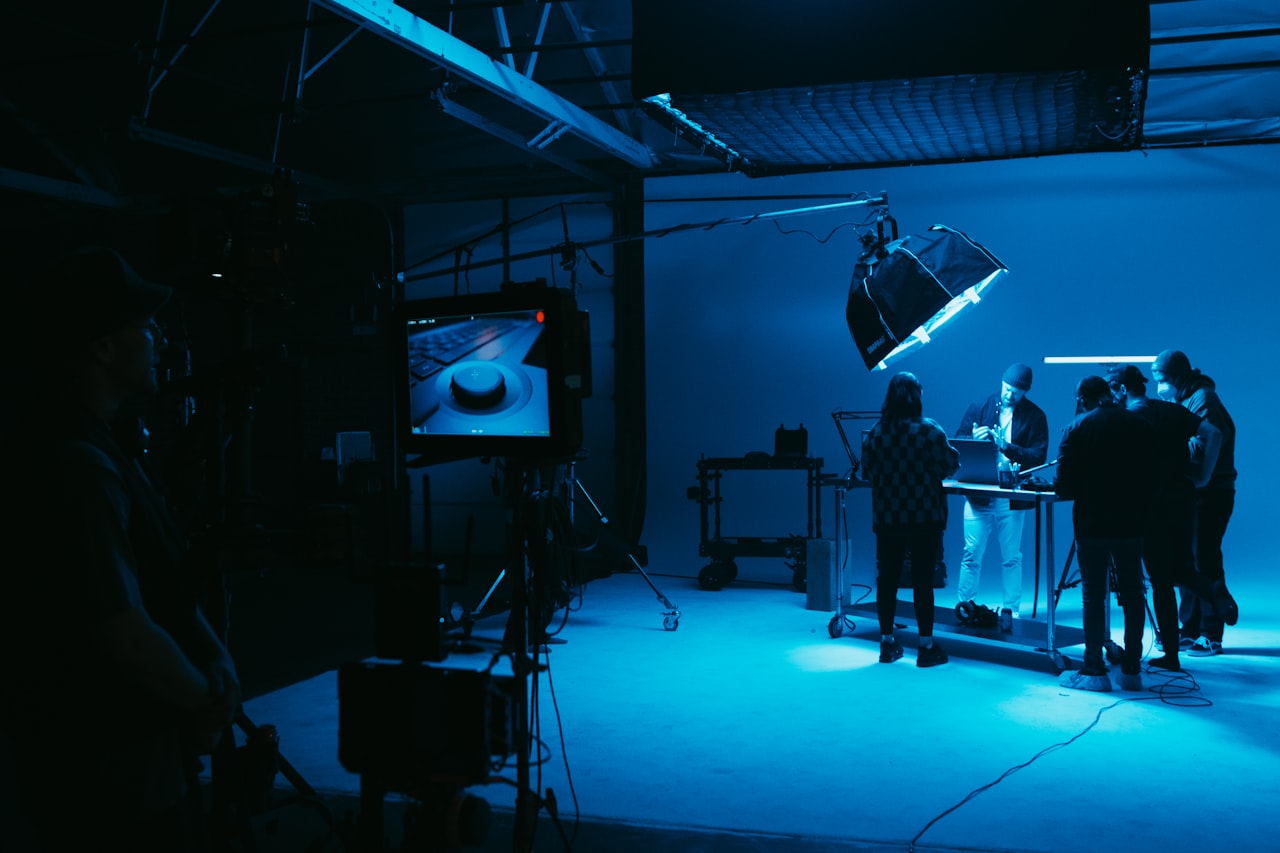
For decades, the deal was simple and a little sad: to put an actor on an alien planet, you stood them in front of a wall of blinding green, told them to imagine the canyon, and painted the rest in months later. Then in 2019 a bounty hunter in shiny armor walked across a desert ridge — and the desert was really there, glowing on a curved screen the size of a small stadium, casting its own warm light on his helmet. No green. No imagining. The Mandalorian had quietly torn up the rulebook, and the trick it used now has a name everyone in film knows: the Volume.
A planetarium you can act inside
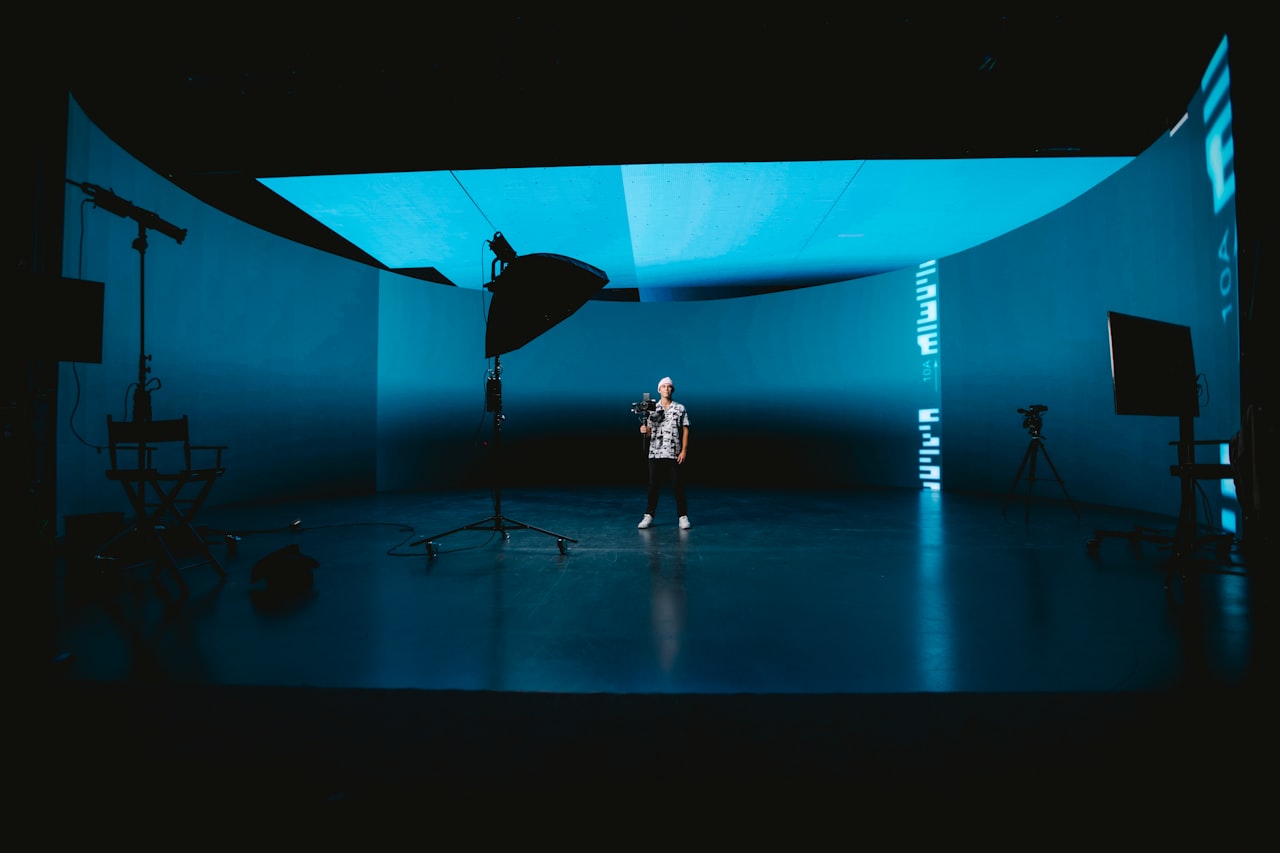
Picture a giant curved wall of LED screens — the same technology as a stadium scoreboard, but flawless and seamless. On The Mandalorian, that wall stood about 20 feet (6 meters) high and wrapped 270 degrees around the actors, a near-complete circle some 75 feet across, with a glowing LED ceiling sealed on top. Industrial Light & Magic, the visual-effects house George Lucas founded, called the whole rig StageCraft, and everyone on set just called the space "the Volume."
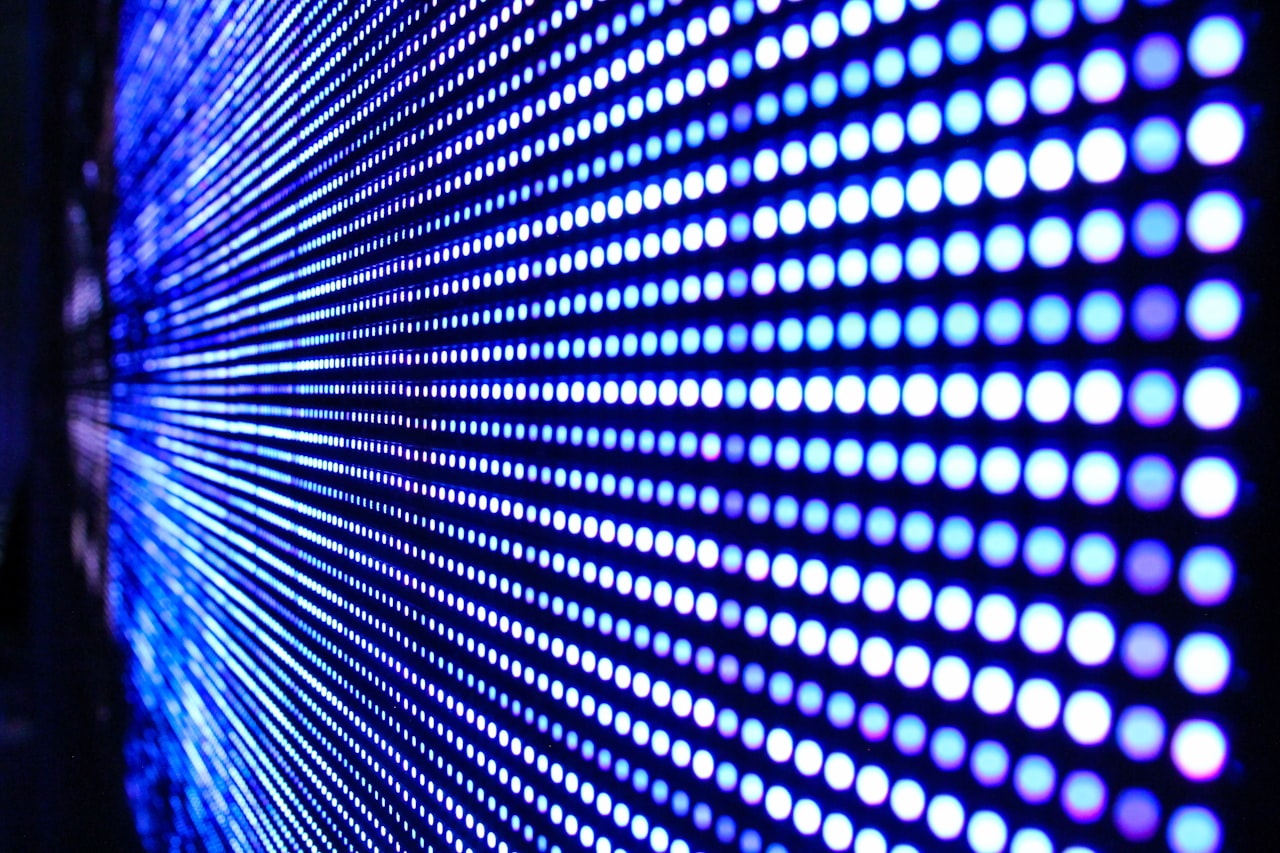
More than 1,300 individual LED panels made up the curved surface. Step inside and you weren't looking at a backdrop — you were standing in the scene. The lava field, the snowy ridge, the cockpit window full of streaking stars: all of it surrounded the performers like a $30-million planetarium they could walk around in.
The trick that makes it look real
A giant TV behind an actor is nothing new — directors have projected backgrounds since the 1930s. The problem was always that the image is flat. Move the camera, and the "distant mountains" slide around like a poster taped to the wall, instantly betraying the fake.
The Volume solves this with a sleight of hand borrowed from video games. The entire environment isn't a video file — it's a fully 3-D world running live in Unreal Engine, the same software that powers Fortnite. Sensors track exactly where the camera is and which way it's pointing, and the engine re-renders the world from that precise viewpoint, dozens of times a second. Pan the camera left and the near rocks slide past faster than the far ridge, exactly as they would in real life. This is parallax — the everyday cue your brain uses to read depth — and getting it right, in real time, is what fools the lens. The camera doesn't see a screen. It sees a place.
Light you don't have to fake
Here's the part that wins over the people who actually have to make the shot work. A green screen doesn't just hide the background — it poisons everything in front of it. That green spills onto skin, bounces into glossy surfaces, tints every reflection. And Mando's whole costume is chrome. A reflective beskar helmet in front of a green wall is a visual-effects nightmare, a green smear you have to scrub out by hand, frame by frame.
In the Volume, the screen isn't a problem to remove — it's the lighting. When the scene shows a fiery orange sunset, real orange light pours off the wall and lands on the actor's face and armor. Reflections in that shiny helmet show the actual environment, because the environment is genuinely there, beaming photons. Cinematographers got soft, accurate, motivated light for free, and the reflections that used to take artists weeks now came baked into the camera. Over half of The Mandalorian's first season was shot this way, with the final background captured live, in-camera, on the day.
When the world is a slider
The strangest gift of the Volume is control. A traditional location shoot is a hostage to the sky — wait for the clouds, chase the "golden hour," lose the light and lose the day. Inside the Volume, the sunset is a setting. A director could hold a perfect dusk for hours, nudge the sun a few degrees because it looked better on the hero's cheekbone, or swap a whole planet during the lunch break. Snow to desert, dawn to midnight, no flights, no permits, no rain delays.
And the kicker? The technology that finally made science fiction feel physically present came from the most virtual place imaginable — a video-game engine, rendering an imaginary world fast enough to fool a camera into believing it was standing on solid ground. The future of putting actors on other planets turned out not to be building the planet, but rendering it sixty times a second and letting it shine.