
Tom Hanks De-Aged Live: The "Youth Mirror" Behind the Film Here
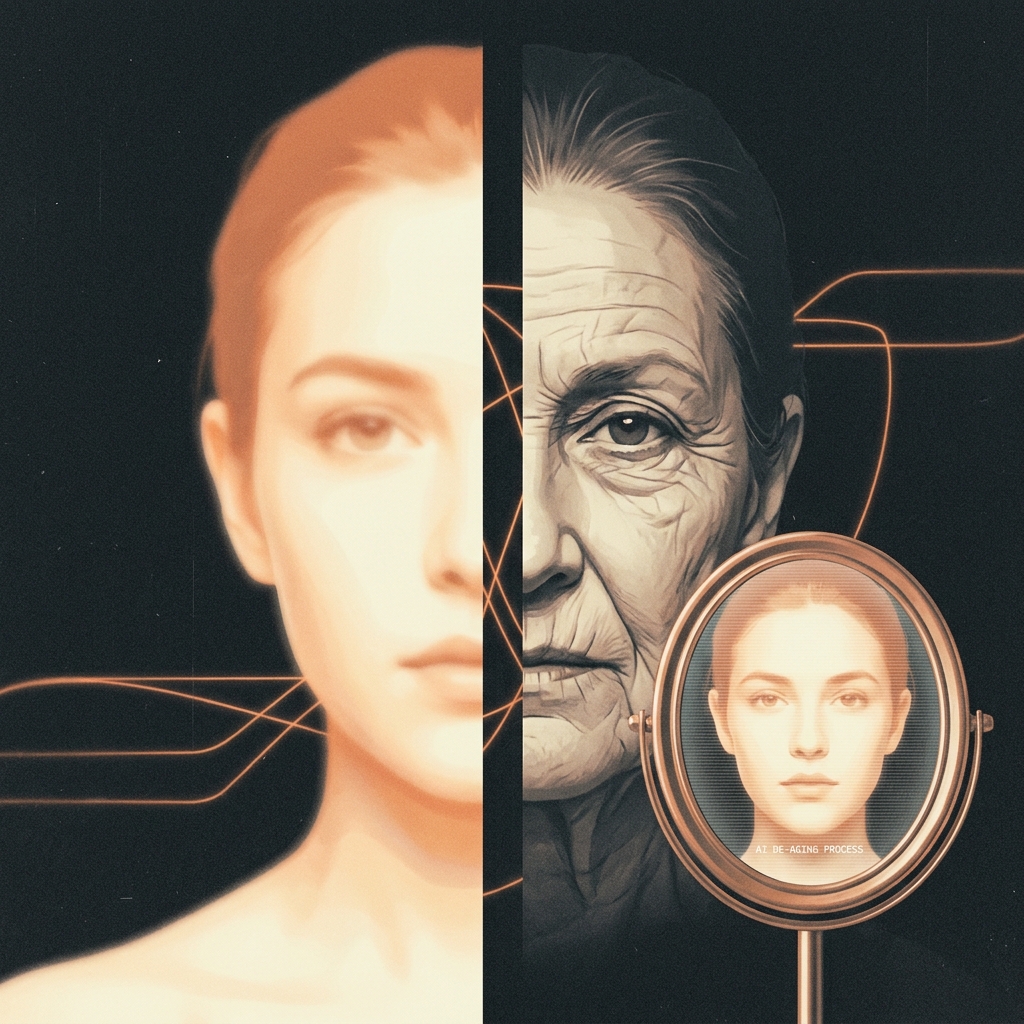
Imagine Tom Hanks, somewhere in his late sixties, standing on a film set in 2024. He glances at a monitor a few feet away — and a twenty-something version of himself glances back, in real time, matching every blink and half-smile with barely a hiccup of delay. No green dots on his face, no months of artists hunched over keyframes. Just a live "youth mirror" showing him a self he hasn't been since the Bosom Buddies days. This isn't a deleted scene from a sci-fi film. It's how Robert Zemeckis shot Here, released on November 1, 2024 — and it quietly rewired how Hollywood thinks about de-aging.
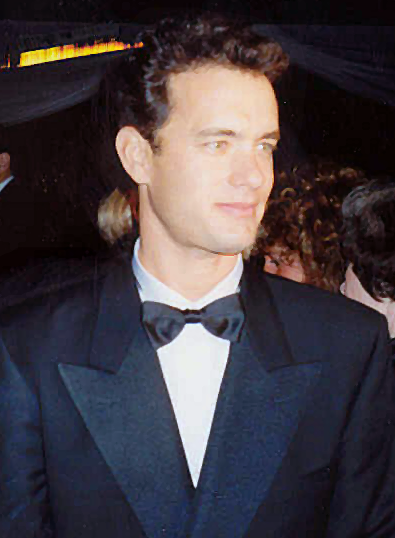
De-aging used to be a post-production nightmare
For decades, making an actor look younger on screen meant one of two slow, expensive paths. Either you slathered the performance in CGI months after the shoot — think The Irishman, where Robert De Niro's de-aged face cost a fortune and still made his body move like a man in his seventies. Or you sculpted a full digital double frame by frame, a process so laborious that a single shot could take artists weeks.
The catch was always the same: the director never knew what the final face would look like until long after everyone went home. You'd shoot blind, hope the de-aging worked in post, and pray the performance still landed once a younger face was grafted on top. It was guesswork dressed up as movie magic.
The trick: do it live, on set, in two frames
For Here, the visual effects company Metaphysic flipped the whole pipeline. Their tool, Metaphysic Live, performed the face-swap and de-aging during the take, not after it. They trained custom neural networks on archival footage of a younger Hanks and Robin Wright — scraping decades of their old films for reference — then ran those models against the live camera feed on set.
The result was two synchronized streams. Zemeckis watched the raw camera and a digitally rejuvenated version side by side, with only about a six-frame lag. And the actors got something even more remarkable: a "youth mirror" with just a two-frame delay — roughly a thirteenth of a second. Hanks could literally rehearse a scene while watching his younger self react, fine-tuning a gesture or an expression to fit a face he'd worn fifty years earlier.

One actor, five different ages
Here is an unusual film: the camera never moves, fixed on a single spot of ground across thousands of years. So a single actor has to span an entire lifetime within one frame. To pull that off, Metaphysic didn't train one model per actor — it trained several.
Tom Hanks appears at five different ages. Robin Wright at four. Paul Bettany and Kelly Reilly at two each. Each age was its own bespoke neural network, ready to be dialed up like a filter as the story leapt across decades. The actors didn't need different prosthetics or makeup chairs for each era — they just stepped in front of the camera, and the right "age" was painted on instantly.
AI did the heavy lifting, but humans still had the last word
Here's the part that gets lost in the breathless "AI replaces VFX artists" headlines: it didn't. The live face-swap was astonishing, but it was a starting point, not a finished product. Crews left the set with a "very rudimentary but pretty convincing" version of every face-swap shot already done — and then human artists spent the following months refining each one, cleaning up edge cases and pushing the detail until it held up in crisp 4K on a big screen.
So the real revolution wasn't that a machine made the actors younger. It's when it did it. By moving the magic from post-production to the set itself, Metaphysic gave the director and the actors something they'd never had before: the ability to actually see and respond to the illusion while it was being created.

The kicker
There's a strange poetry to it. The same technology that powers worrying deepfakes — the kind that put words in politicians' mouths — was here pointed at something tender: letting a 68-year-old actor look his own younger self in the eye and act with him. For about a thirteenth of a second, on a quiet film set in 2024, Tom Hanks got to meet the kid he used to be. And then he went back to work.